Skip to content

Ant Treatment in Melbourne

Stop ants at the source.

Professional ant control for Melbourne homes and businesses. We find where black house, Argentine and other common ants are nesting and treat the colony at its source, with clear advice to help keep them out.

01The problem

Signs of an ant infestation

A few ants on the kitchen bench are usually foragers from a much larger colony. The nest may be tucked inside a wall, under paving, in a garden bed or outside your property altogether.

Ants at a spill may disappear once it's cleaned up. A trail that keeps coming back, or ants appearing from walls, skirting boards or ceilings, usually points to an established nest nearby. Getting on top of the problem starts with knowing which ants you're dealing with and where they're coming from.

What to look for

  • Trails of ants along skirting boards, benchtops, window sills and door frames
  • Ants gathering around sweet food, pet bowls, bins and the kitchen sink
  • Ants coming and going from cracks in walls, skirting boards, cupboards or ceilings
  • Small mounds of loose soil between pavers, along concrete edges or in the lawn
  • Winged ants indoors, or ants carrying eggs and larvae, which can mean a nest is close by
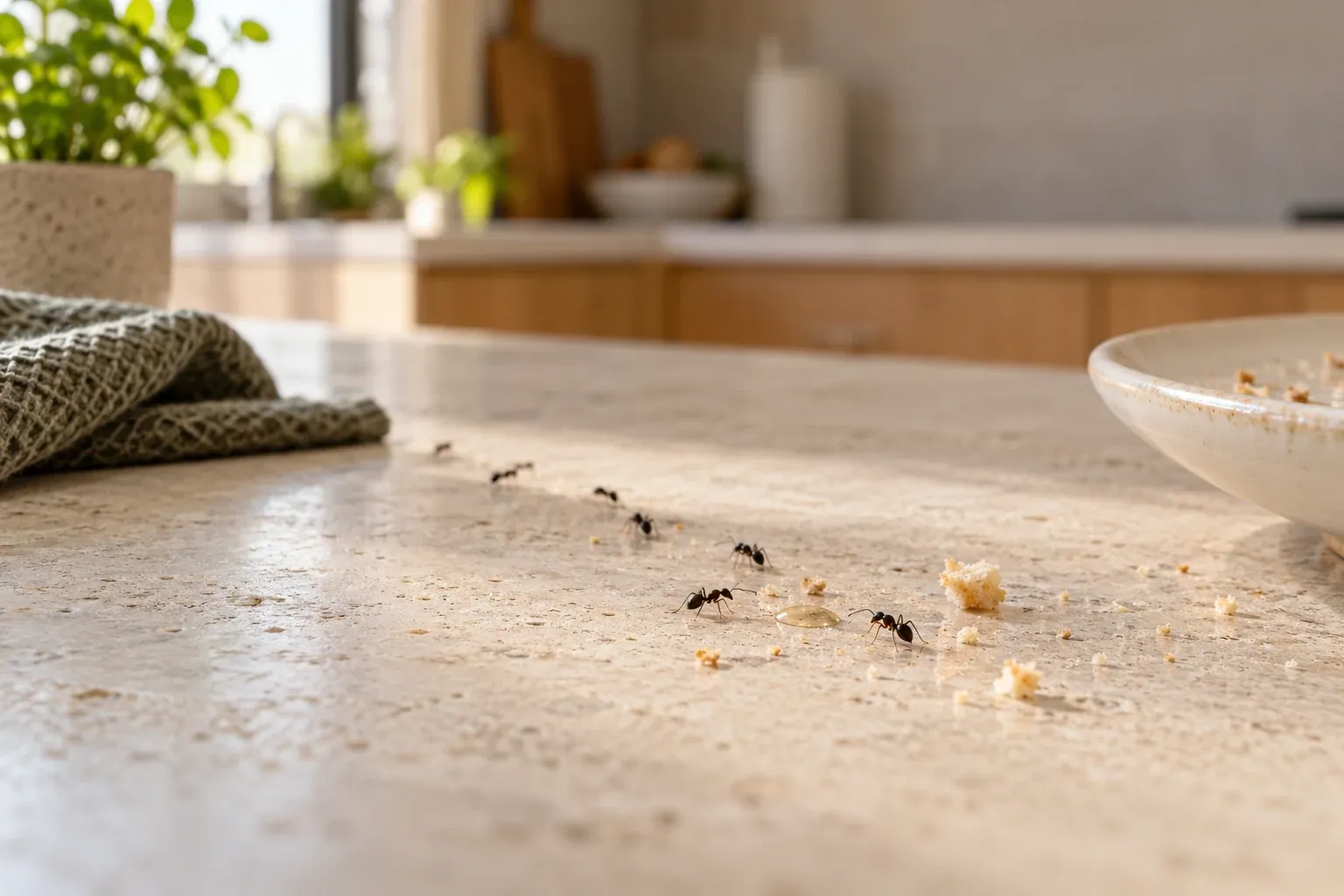
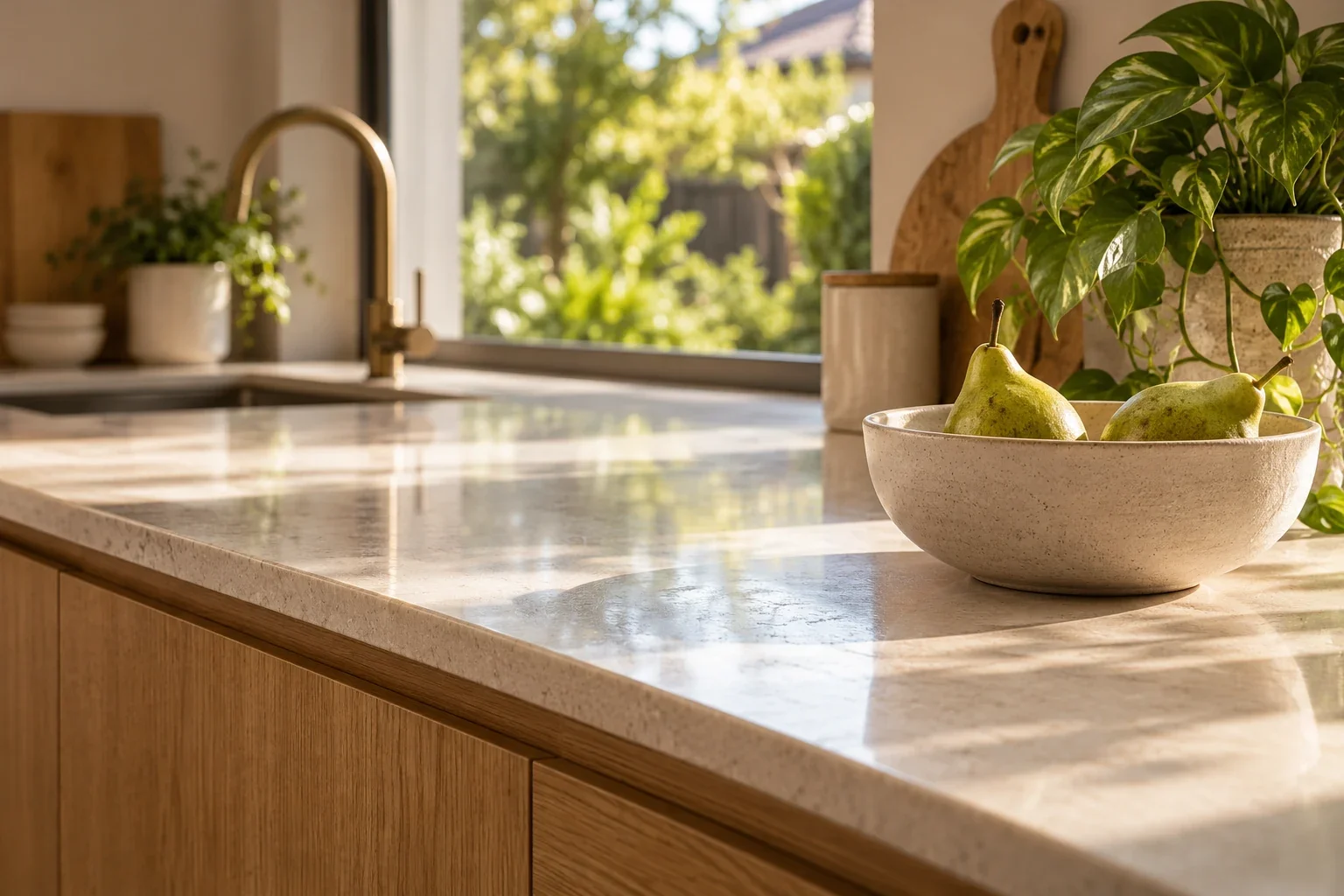
Ants following a trail to crumbs and a small spill on a kitchen benchtop
Find the colony.
Stop the problem.

Common ant species in Melbourne

Australia has thousands of ant species, but only a handful, mostly introduced, become pests in homes and businesses. Each one nests and feeds differently, which changes where we look and how we treat.

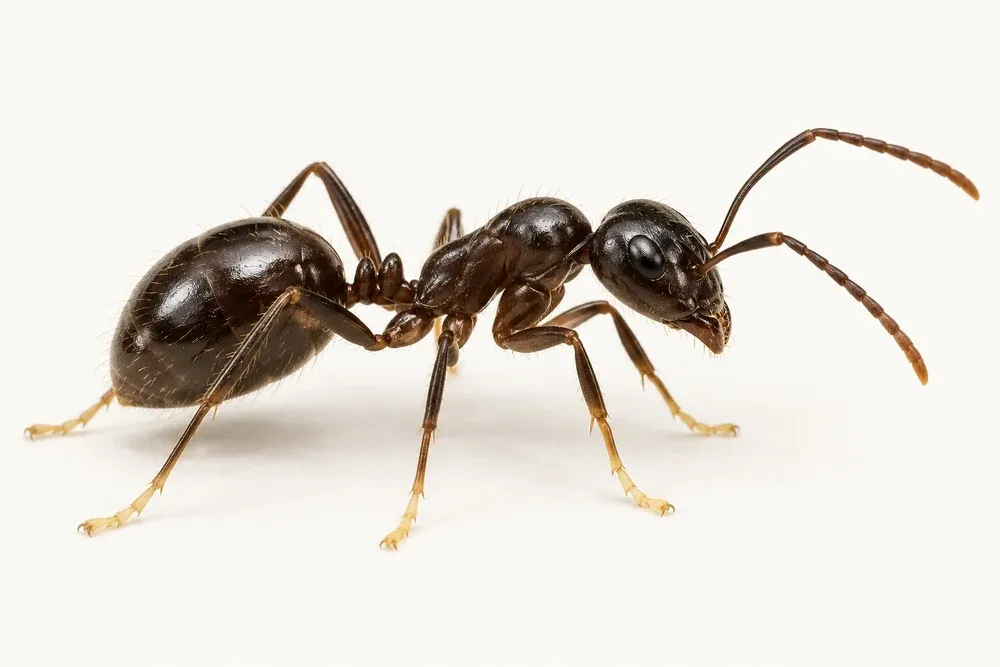
  • Black House Ants

    Trail indoors and often nest in walls and ceilings.

    Look for
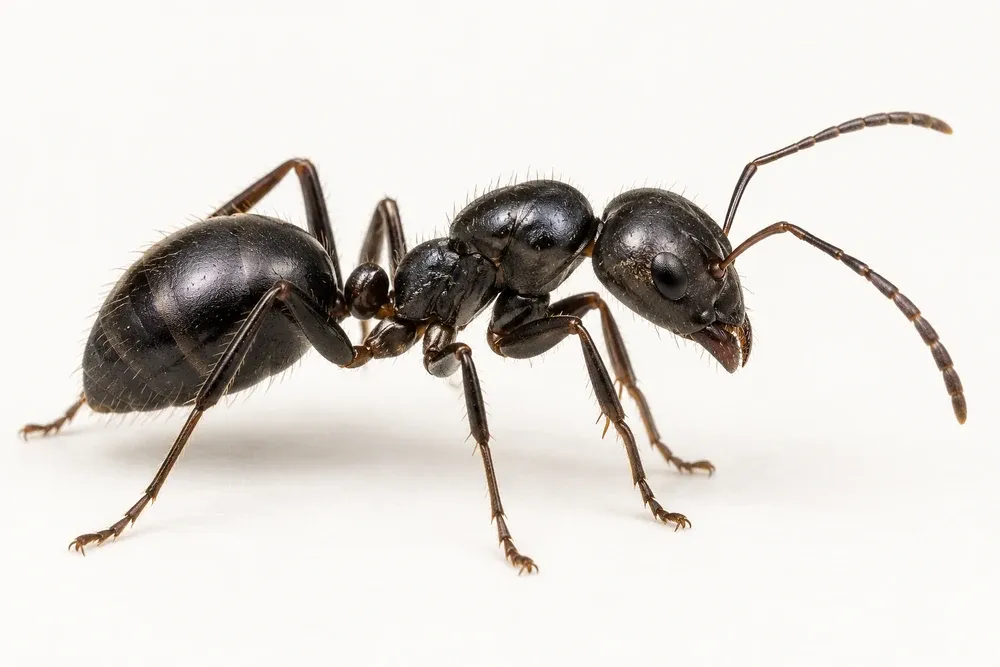
    Small, about 2.5–3 mm long and intensely black, sometimes with a purplish-green sheen. Crushed, they give off a strong, distinctive smell, though not everyone can pick it up.
    Found in
    Outdoors along paths, rockeries and garden edges, and indoors in ceilings, wall cavities and subfloors. They're drawn to sweet food and to aphids on indoor pot plants.
    Treatment focus
    Because they nest inside the building as well as outside, treatment follows the trails back to wall and ceiling voids and the gaps they come through, not just the bench where they're feeding.
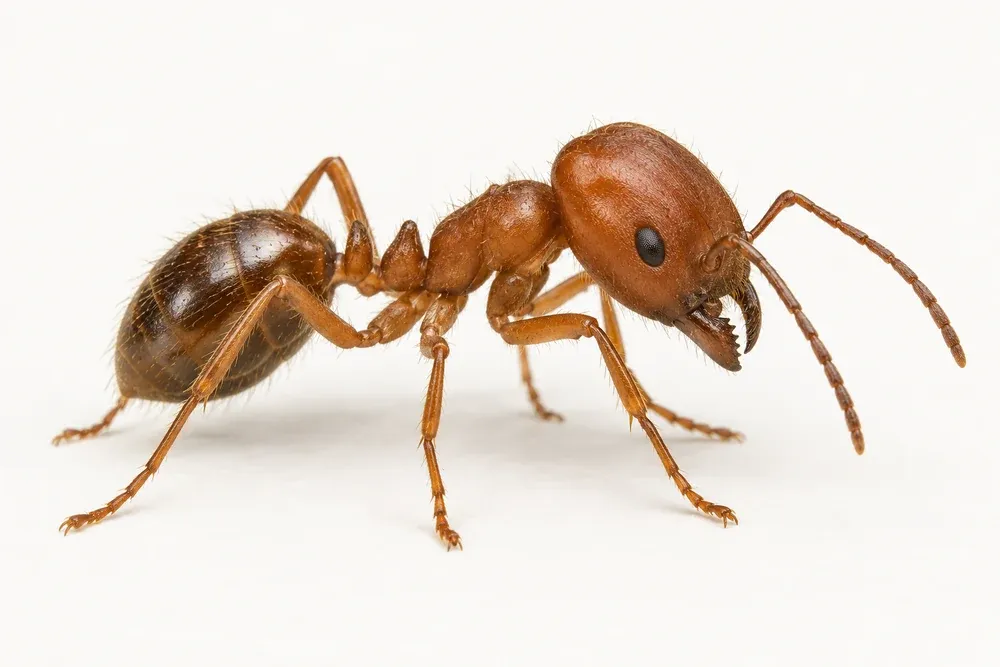
  • Coastal Brown Ants

    Push soil up between pavers and along concrete edges.

    Look for
    Shiny, light to dark brown and about 1.5–3 mm long. Larger soldiers, 3.5–4.5 mm long, have oversized heads and strong jaws.
    Found in
    Soil under paths, paving and rockeries, where they leave small mounds of loose soil. Indoors they nest in wall cavities and behind skirting boards, and they prefer meat, grease and dead insects to sweets.
    Treatment focus
    Colonies have many queens across connected nests, so treatment targets the nests under paving and along the building as well as any activity in the walls. Baits need to suit their taste for protein and fat.
  • White-footed House Ants

    Large colonies in walls, roofs and gardens.

    Look for
    Shiny black, about 2.8–3.5 mm long, with pale feet you may only see up close. In Victoria they're often just called black ants.
    Found in
    Usually outdoors in gardens and moist, shaded areas, but also indoors in wall cavities, roof voids and behind cupboards and skirting boards. They're most active at night and come in through small cracks.
    Treatment focus
    They don't pass food through the colony the way most ants do, so baits work slowly and need patience. Colonies can split into new nests, so treatment often pairs baits indoors with treating outdoor nests and foundations.
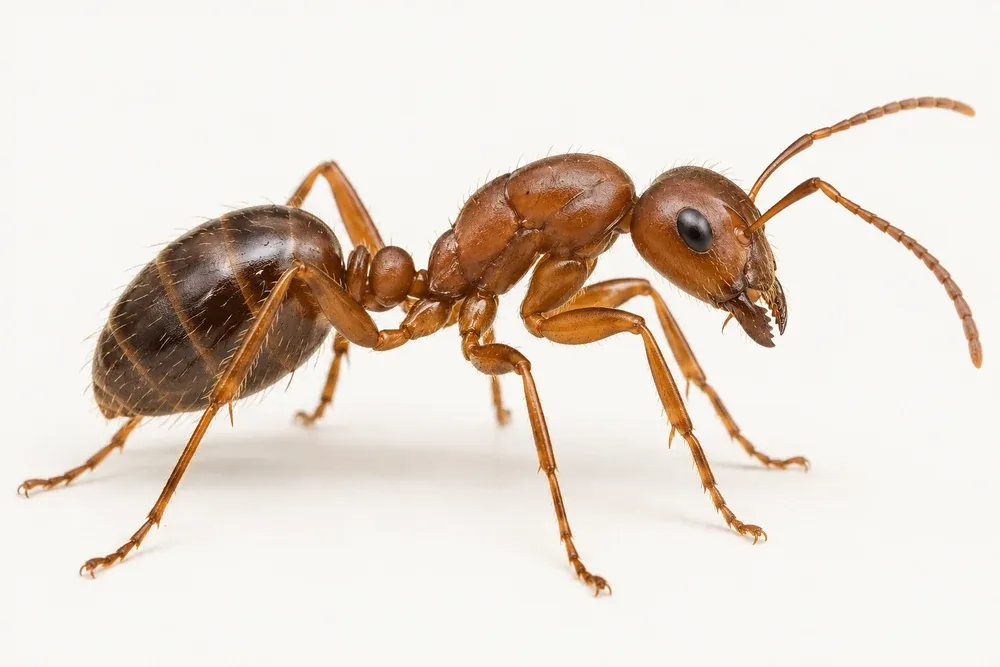
  • Carpenter Ants

    Often nest in damp or decaying timber.

    Look for
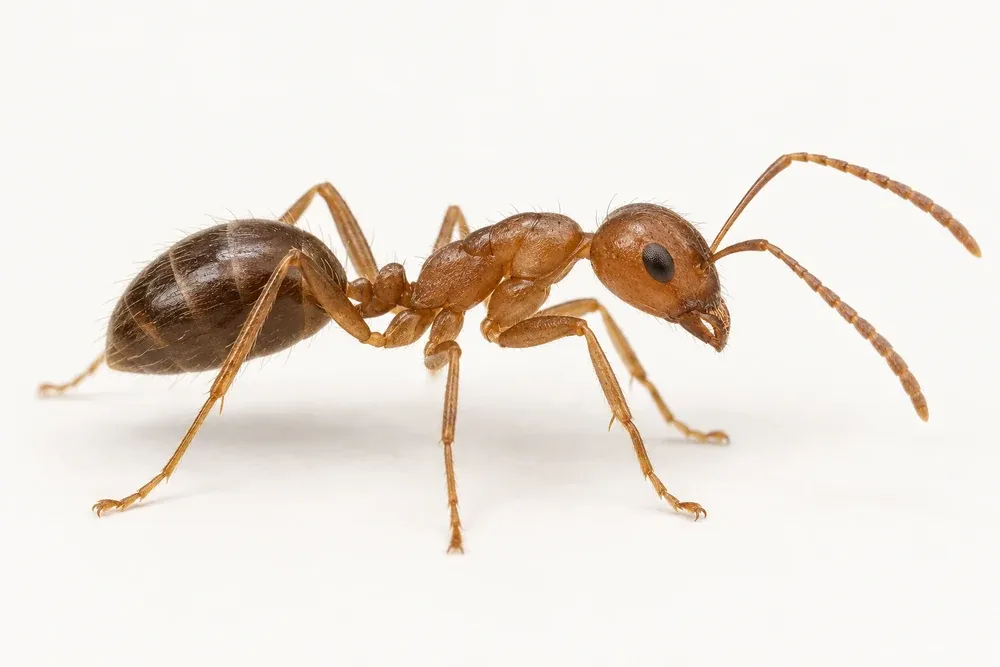
    From about 2.5 mm up to 14 mm long, making them the largest of these species, and brown to pale brown. Sometimes called sugar ants. They can bite but don't sting.
    Found in
    Decaying wood, soil, between rocks and in tree roots and twigs. They mostly forage at night, travel long distances and rarely come inside.
    Treatment focus
    They prefer damp, rotting timber to sound wood, so they rarely cause structural damage. Treatment targets the nest, and we'll point out any damp timber that's drawing them in.
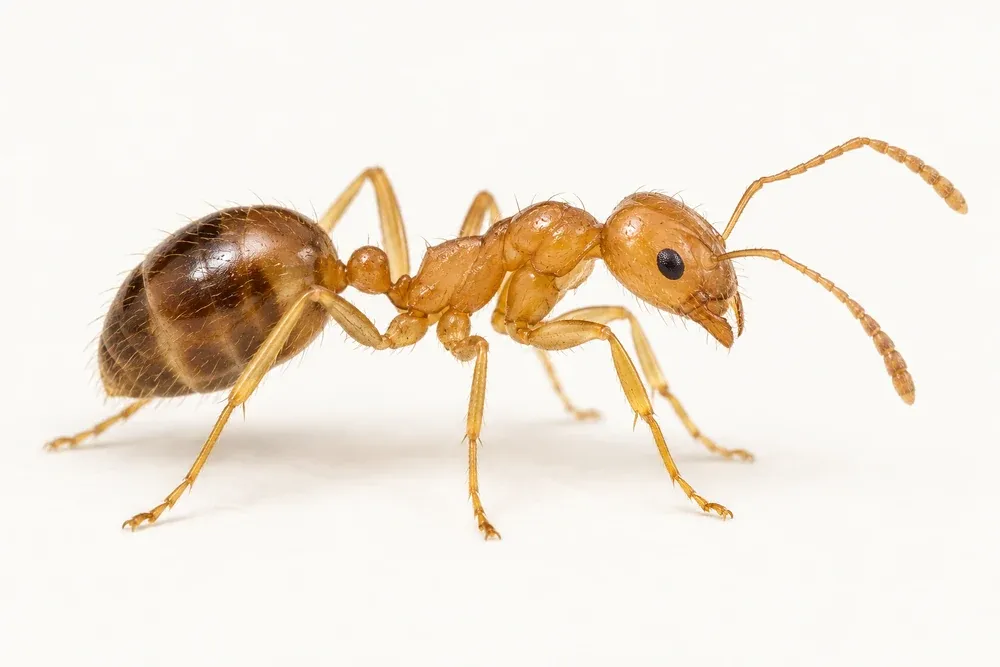
  • Other Ant Species

    Identified before we treat.

    Look for
    Ants that don't match the species above. Pharaoh ants, for example, are tiny and yellow-brown to darker brown, about 1.5–3 mm long.
    Found in
    Pharaoh ants nest in warm, hidden spots such as near heating ducts, and are more often a problem in hospitals and aged care than in homes.
    Treatment focus
    Spraying Pharaoh ants splits the colony into new nests and makes the problem worse. It's one reason we identify the ants before choosing a treatment.

Are ants dangerous?

Most ants around the home are more nuisance than danger, but they rarely go away on their own. A colony keeps sending workers in while there's food and water to find, and some species nest inside the building itself.

  • Food contamination

    Pest ants gather in kitchens and food preparation areas, foraging over rubbish, pet food and dead insects before crossing benchtops and getting into open food. Health authorities note they can spread disease.

  • Bites and stings

    Some pest ants can bite, and coastal brown ants can give a mild sting. Native bull ants and jack jumpers can cause severe allergic reactions in some people. If anyone has trouble breathing or swelling of the face or throat after a sting, call triple zero (000).

  • Nests in walls and ceilings

    Black house, white-footed house and coastal brown ants can nest in wall cavities, ceilings, subfloors and behind skirting boards, so ants keep returning from inside the building after the trail is wiped away.

  • Homes and food businesses

    Multi-queen colonies such as Argentine and coastal brown ants can spread across neighbouring properties, so a small problem can grow. Australian food safety standards also require food businesses to keep pests out and stop them sheltering on the premises.

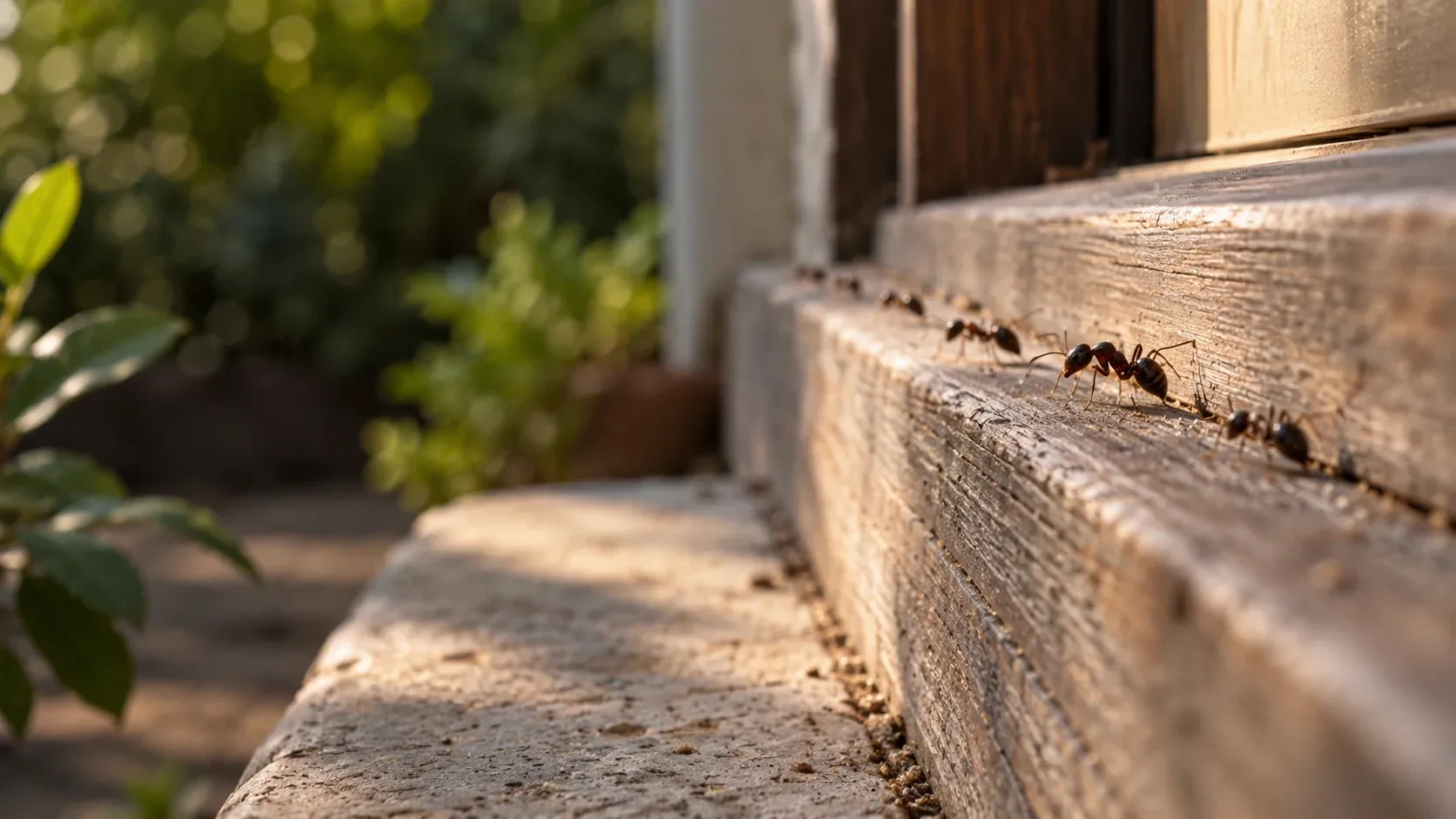
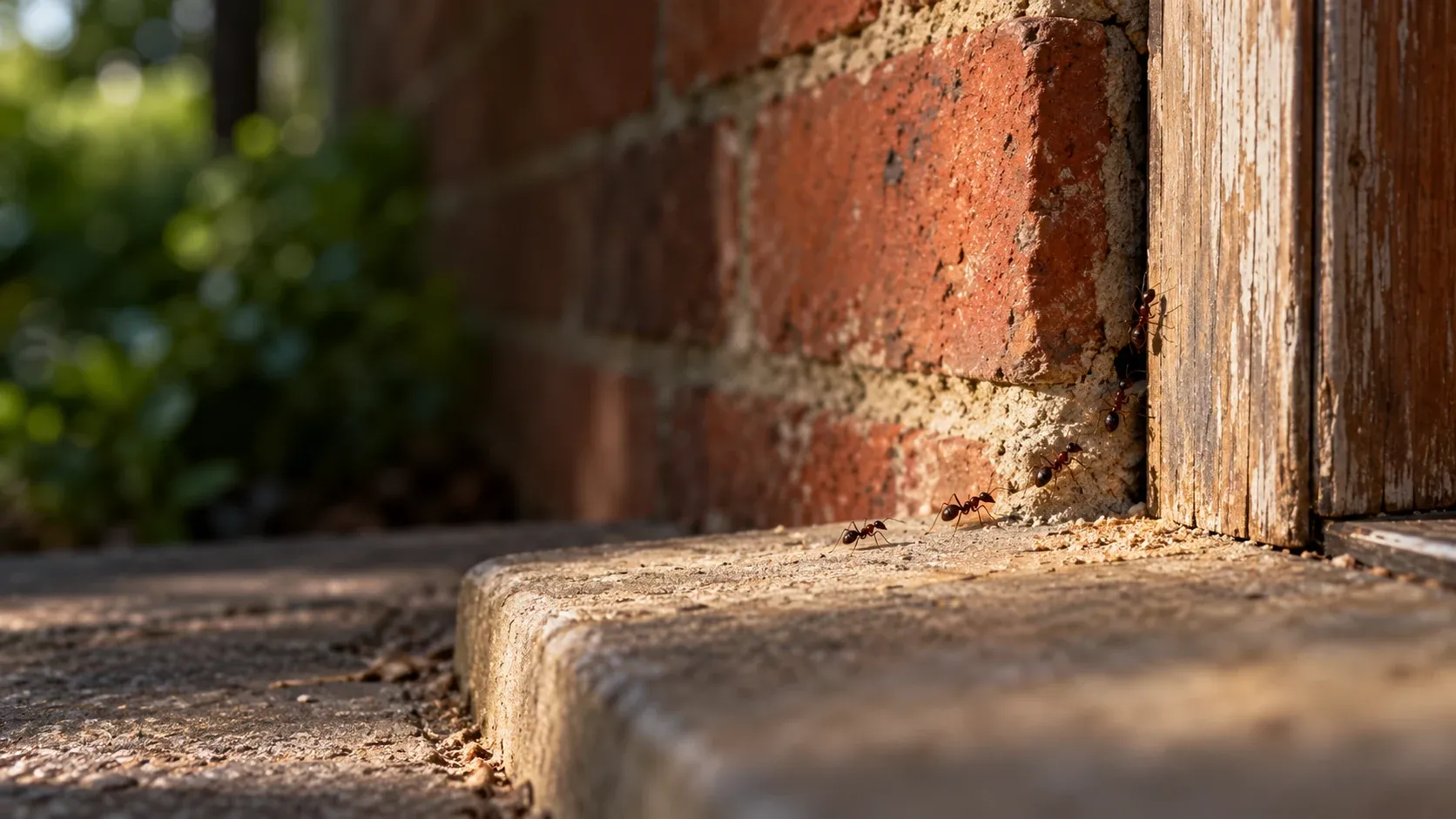
A trail of ants entering a gap between brickwork and a timber door frame

02Our approach

How we treat ant infestations

A spray along the kitchen bench may clear today's trail while the colony carries on. Ants nest in different places depending on the species, from wall cavities and roof voids to soil under paving and damp timber, and some colonies have many queens spread across connected nests.

So no single treatment works on every ant, and for some species the wrong approach can split a colony into new nests. We match the methods to the species, where they're nesting and how far the colony has spread, and treat the nest wherever we can reach it.

  • Targeted treatments

    Matched to the species and nest.

  • Your home in mind

    Clear advice for families and pets.

  • Practical prevention

    Help keep ants out.

Most ant treatments combine more than one method. Which ones suit your property depends on the species, where they're nesting and how far the colony has spread.

  • Nest treatment

    Where we can find and reach the nest, we treat it directly, whether it's in soil under paving, in a garden bed or inside a wall. It's the most direct way to stop a colony at its source.

    Used forNests we can locate, inside or outside the building

  • Ant baits

    Workers carry bait back to the nest, where it can reach the rest of the colony, including the queens. Baits work more slowly than sprays, and they only work if the ants will eat them, so we choose one that suits the species.

    Used forNests that can't be found or reached, sensitive indoor areas, and species that scatter when sprayed

  • Perimeter and entry-point treatments

    A residual insecticide applied around the building's foundations, along path edges and at entry points such as door frames, window sills and cracks keeps working after it dries, so ants crossing it pick it up. It has to be thorough, because ants quickly find a way around gaps. Food-preparation surfaces aren't treated.

    Used forArgentine ants and other colonies nesting outdoors and trailing inside

  • Dusts in wall and roof voids

    A light application of insecticidal dust reaches nests and travel routes in dry, enclosed spaces such as wall cavities, roof voids and around electrical fittings, where sprays aren't suitable.

    Used forNests in walls, ceilings and roof voids

  • Follow-up visits

    For large or multi-queen colonies, a follow-up visit lets us check activity and re-treat where needed, including ants moving back in from neighbouring properties.

    Used forArgentine ants, coastal brown ants and severe infestations

  • Hygiene and proofing advice

    We point out what's drawing ants in and how they're getting inside, from crumbs, pet food and leaking taps to plants touching the house and gaps around doors, windows and pipes, so changes at your property support the treatment.

    Used forEvery treatment, for homes and businesses

03Treatment process

Our ant treatment process

Know what to expect at every step, from tracing the trails back to the nest to practical changes that help keep ants away.

  1. Inspection

    We identify the species, follow the trails back to nests inside and out, and look for what's drawing ants in, from food and water to plants touching the house.

  2. Treatment

    We treat the nests, trails and entry points that need attention, using methods suited to the species and your property, and explain any precautions before we start.

  3. Follow-up and prevention

    You'll get practical advice on food, water and entry points, and we'll let you know if a follow-up visit is recommended to finish the job.

Start with a free quote.

Tell us what you're seeing and we'll recommend the next step.

Preparing for ant treatment

Good preparation helps us find the nests and lets the treatment reach them. What's needed depends on the methods we'll use, so we'll confirm the preparation for your booking before the visit.

  1. Leave the trails alone

    Try not to spray or wipe away the trails before the visit, and hold off on supermarket baits. Following active trails is how we find the nests and entry points.

  2. Kitchen and food

    Put away food, pet food and dishes, and clear the benchtops and shelves where you're seeing ants so we can reach the gaps along splashbacks, skirting boards and cupboards. Food-preparation surfaces themselves aren't treated.

  3. Access inside and out

    Make sure we can get to the rooms where you've seen ants, the garden, paths and side passages, and any roof or subfloor access. Unlock side gates, and let us know about areas that are hard to reach.

  4. Pets and household members

    Tell us about babies, children, pets, anyone who's pregnant or has asthma or allergies, and any fish tanks or birds. We'll explain whether anyone needs to stay out of particular rooms or parts of the garden, and for how long.

  5. Using treated areas afterwards

    Keep people and pets off treated areas for the time we advise, and don't wipe, mop or hose treated edges or move bait stations. We'll tell you when you can use each area again.

Preparation and re-entry instructions depend on the products and methods used for your property. Always follow the instructions we give you for your booking.

What to expect after treatment

Results depend on the species, how far the colony has spread and the methods used. We'll explain what to expect for your property before we leave.

  1. When you may notice a difference

    Activity often drops within days to a couple of weeks. Baits take longer than sprays because workers need time to carry them back through the colony, and large or multi-queen colonies can take longer to clear.

  2. Why you may still see ants

    Seeing ants for a while can be normal. Ants feeding at bait placements are carrying it back to the nest, which is what the treatment needs. Others can arrive from nests on neighbouring properties, especially Argentine ants.

  3. Why some colonies need another visit

    Argentine and coastal brown ants have many queens across connected nests, and ants from nearby properties can move back in within a couple of weeks. A follow-up visit deals with any remaining activity before it re-establishes.

  4. How you can help

    Leave bait placements and treated areas undisturbed, and avoid supermarket sprays, which can kill the ants carrying bait back to the nest. Wipe up crumbs and spills, keep food and pet food sealed, fix leaks and trim plants back from the house.

  5. When to contact us

    Get in touch if activity hasn't eased within the timeframe we discussed, if ants turn up in new rooms, or if you're unsure about any of the aftercare instructions.

04Homes & businesses

Ant treatment for homes and businesses

Ants follow food and water wherever they find it, from family kitchens to cafés and shopfronts. The treatment principles are the same, but access, timing and hygiene needs differ.

  • Homes

    Houses, townhouses, units and rentals, with treatment covering the rooms where ants are trailing and the garden, paths and building edges where they nest.

    Access
    We'll need to reach the rooms where you're seeing ants and the outside of the house, including the garden, paths and side passages, plus roof or subfloor access if ants are nesting in the building.
    Scheduling
    Book a time that suits you. Same-day service is available 7 days a week.
    Preparation
    Leave the trails and clear the kitchen as described in preparing for treatment, with advice for children and pets.
    Units and shared gardens
    Ants can trail in from shared gardens, neighbouring units and common property. Let us know if neighbours or your owners corporation are dealing with ants too, as treating one unit alone may not be enough.
  • Businesses

    Cafés and other food businesses, shops, offices and other commercial premises, with a plan that suits your operations, staff and customers.

    Scheduling
    Treatment can be planned around trading hours, such as before opening or after close, to limit disruption.
    Access
    Staff may need to clear storage areas and give access to kitchens, staff rooms, bin areas, garden beds and the outside edges of the building.
    Hygiene
    Food-handling surfaces aren't treated, and baits are placed away from food and packaging. Cleaning routines, sealed storage and bin areas matter too, because hygiene affects how well treatment works.
    Food safety
    Food safety standards require food businesses to keep pests out and stop them sheltering on the premises, so it pays to act on the first trail.

Local ant control in Melbourne

We treat ants in homes and businesses across Melbourne's western suburbs, from Footscray, Williamstown and Altona out to Point Cook, Werribee, Caroline Springs and Melton. We also cover the wider Melbourne area.

Ant activity tends to pick up in Melbourne's warmer months, when colonies are growing and foraging further. Wet weather can bring them inside too, as Argentine ants and other species move indoors from waterlogged nests.

Looking for local service? Our Caroline Springs pest control page covers the suburb and nearby Taylors Hill, Burnside and Hillside.

Babylon's owner inspecting a rodent bait station beside a residential garden

05Why choose Babylon

Local, licensed and ready to help.

You'll deal with a family-run Melbourne business, from your first call to the follow-up.

So happy with the service. Robin was very thorough explaining the process and knowledgeable too. Great service and fair pricing too. Will definitely use the service again.
ChristineGoogle review
  • Family-run, with personal service on every job
  • Fully licensed and insured technicians
  • Same-day service available, 7 days a week
  • Free, upfront quotes with no hidden fees

06 Common questions

Ant Treatment FAQs

Activity often drops within days to a couple of weeks. Baits take longer than sprays, and large or multi-queen colonies, such as Argentine ants, can take longer still and may need a follow-up visit. You may see ants around bait placements for a while as they feed.

See what to expect after treatment for why some activity can continue and how to help the treatment work.

Each species feeds, nests and spreads in its own way. Coastal brown ants usually nest in soil and under paving, often across many connected nests. White-footed house ants nest in walls, roof voids and nearby plants, and don't pass food through the colony the way most ants do. Carpenter ants mostly forage at night and nest in damp or damaged timber. Spraying some species, such as Pharaoh ants, can split the colony into new nests. So we identify the ants and find the nests before choosing a treatment.

It depends on the size of the property, the species and how many areas need treating. A treatment for a trail into one kitchen is usually quicker than one that covers the whole perimeter, the garden and a roof void. We'll give you a time estimate when you book.

We'll confirm what's needed for your booking. It usually means leaving the trails untouched, putting away food and pet food, clearing benchtops where you're seeing ants, and making sure we can get to the garden, paths and any roof or subfloor access.

See preparing for ant treatment for the full checklist, including pets and re-entry.

We use family-friendly, low-toxicity products applied by licensed technicians, and we place baits with children and pets in mind. Tell us about children, pets, anyone with asthma or allergies, and any fish tanks when you book. We'll explain how to prepare, which areas to keep clear and when you can use treated spaces again.

The cost depends on the species, how far the colony has spread, the size and layout of the property, which areas need treating and whether follow-up visits are needed. A trail of black house ants into one kitchen, for example, needs a different treatment from Argentine ants spread across a whole block.

Request a free quote with your suburb, where you're seeing ants and how long you've noticed them. We'll recommend a treatment and give you an upfront price, with no hidden fees.

Ants aren't related to termites and can't damage sound timber. Carpenter ants nest in timber that's already damp or decaying, so finding them in the house can point to a leak or moisture problem worth fixing. Coastal brown ants can also loosen soil under paving and along concrete edges as they dig their nests.

Sprays mostly kill the ants they touch. The nest and its queens stay out of reach, often inside a wall, under paving or on a neighbouring property, so the trail comes back. Some sprays can also stop ants taking bait, and for some species spraying splits the colony into new nests. Let us know what you've used. We find the nest and recommend a treatment suited to the species.

Ants can return if part of a colony survives, a nearby colony moves in, or food, water and entry points remain available. Wiping up crumbs and spills, keeping food and pet food sealed, fixing leaks, trimming plants back from the house and sealing accessible gaps can help reduce repeat activity. If you're still seeing ants after treatment, contact us to discuss the next step.

Yes. We help cafés, shops, offices and other businesses, with treatment planned around your trading hours, food preparation areas, staff and customers. See homes and businesses for how a commercial visit differs.

Can't see your question? Ask us, or call for a quick answer.

Get your free quote today.

Tell us where you're seeing ants and how long it's been happening. We'll recommend the next step for your home or business in Melbourne's west and north.

Call nowFree quote