Skip to content

Rats and Mice Treatment in Melbourne

Stop rats and mice getting in.

Professional rat and mouse control for Melbourne homes and businesses. We find where roof rats, Norway rats and house mice are nesting and how they're getting in, then treat them with secured baits or traps and clear advice to help keep them out.

01The problem

Signs of a rat or mouse infestation

Rats and mice are most active at night, so you'll usually hear or find signs of them before you see one. Scratching in the ceiling, droppings in the pantry and chewed food packaging are common first clues.

A single mouse may have slipped in under a door. Fresh droppings, new gnaw marks or noises in the roof night after night usually point to rodents nesting in or around the building. Getting on top of the problem starts with knowing which rodents you're dealing with, where they're nesting and how they're getting in.

What to look for

  • Droppings in pantries, drawers, along walls or in the roof space: rice-sized for mice, larger for rats
  • Scratching, scampering or gnawing in the ceiling or walls, usually at night
  • Chewed food packaging, and gnaw marks or holes in timber, plastic, plasterboard or cables
  • Dark, greasy smear marks along walls, beams and pipes where rodents run regularly
  • Shredded paper, fabric or insulation gathered into nests in cupboards, storage areas or the roof
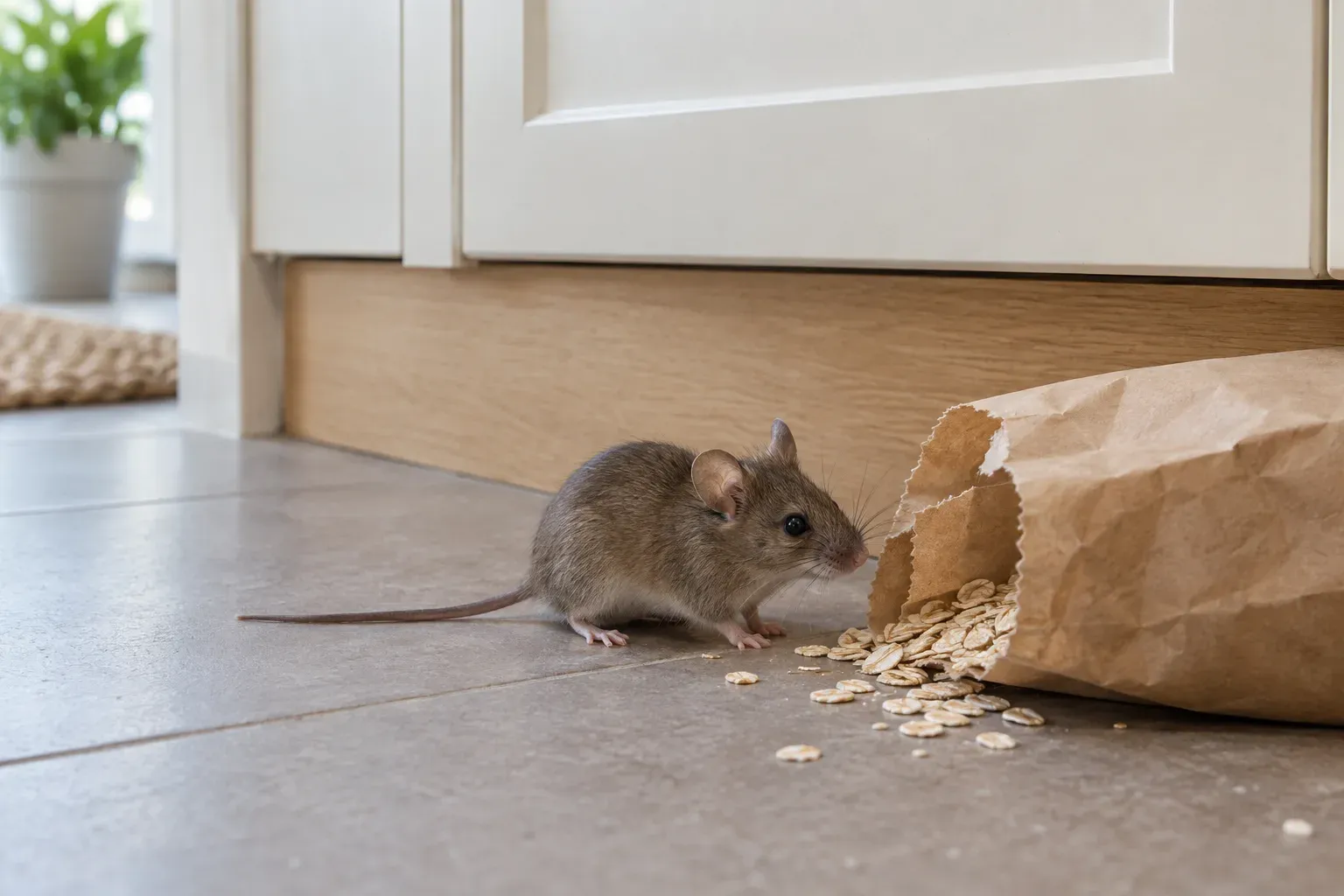
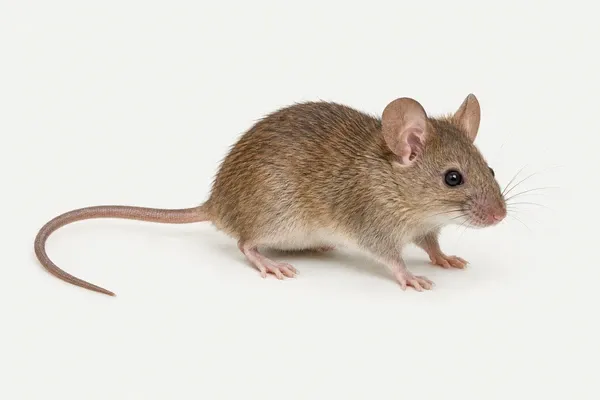
House mouse beside gnawed food packaging in a kitchen pantry
Find the way in.
Stop the problem.

Common rats and mice in Melbourne

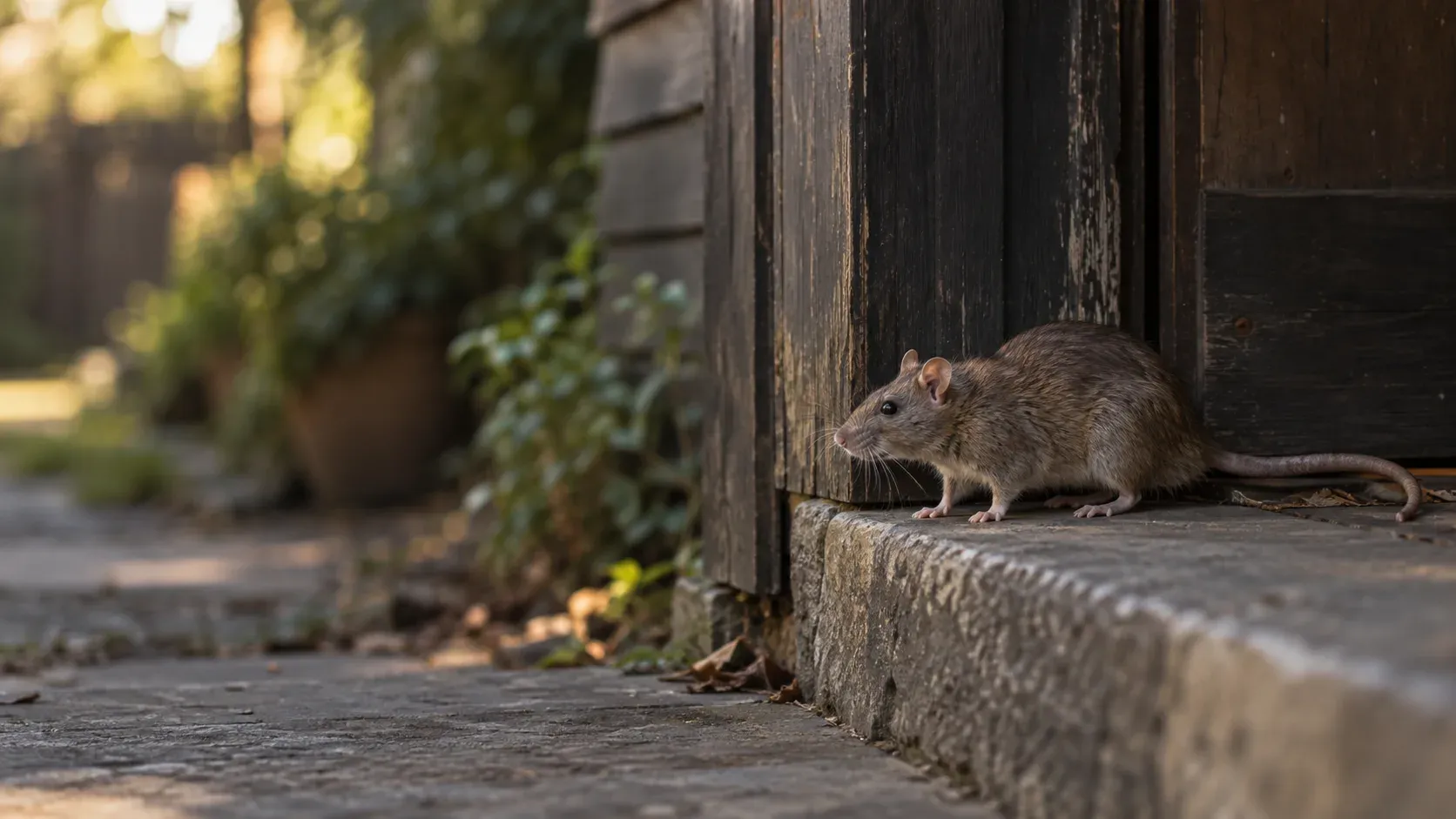
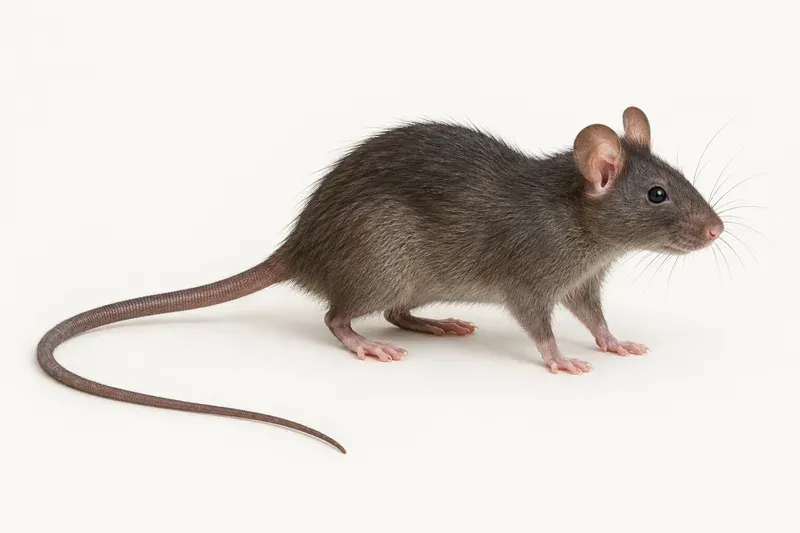
Three introduced rodents cause most rat and mouse problems around Melbourne homes and businesses: roof rats, Norway rats and house mice. Each one nests and travels differently, which changes where we look and how we treat.

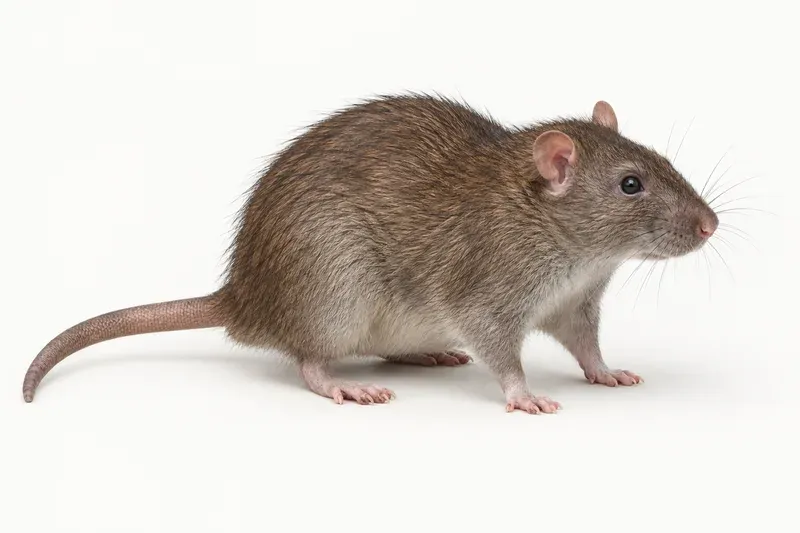
  • Norway Rats

    Larger, heavier rats that burrow around buildings.

    Look for
    The larger pest rat, with a body about 20–27 cm long and weighing up to 500 g. It has a blunt nose, small furry ears and a tail shorter than its body, with brown or grey fur and a paler belly. Also called brown rats or sewer rats.
    Found in
    Ground level: burrows in garden beds and under sheds, slabs and woodpiles, as well as drains and creek banks. They dig and swim well, and get into buildings through gaps low in walls, floors and around pipes.
    Treatment focus
    Treatment concentrates on burrows, ground-level entry points and the area close to the building, with secured bait stations or traps along the walls and advice on clearing the clutter, woodpiles and dense cover they shelter in.
  • House Mice

    Small, fast-breeding and often living indoors.

    Look for
    Small, with a body about 8–10 cm long, a tail about the same length and a weight of only 14–20 g. Brown or grey, with large ears and a pointed nose. Their droppings are about the size of a grain of rice.
    Found in
    Indoors and close to people: kitchen cupboards, pantries, wall cavities, behind appliances, garages and storage areas. They can squeeze through gaps as small as 8 mm.
    Treatment focus
    They can breed from about 6 weeks old and have 6–10 litters a year, so numbers rise quickly. Treatment uses several small bait or trap placements close to the activity inside the building, while we find the gaps they're using to get in.

Are rats and mice dangerous?

Rats and mice rarely attack people, but they're more than a nuisance. They contaminate food, gnaw through building materials and breed quickly, so it's worth acting on the first signs.

  • Disease and food contamination

    Rats and mice can spread illnesses such as leptospirosis, salmonella infection and rat-bite fever through their urine, droppings and bites. They contaminate food, benchtops and stored goods as they feed and travel.

  • Gnawed wiring and building damage

    Their front teeth never stop growing, so they gnaw constantly, through timber, plastic, plasterboard and the insulation on electrical cables. Chewed wiring in a roof or wall can be a fire risk, so have a licensed electrician check any damaged cables you find.

  • Numbers that grow quickly

    A female house mouse can have 6–10 litters a year, and a female Norway rat 5–6 litters of 8–10 young. A few rodents can become an established problem within months.

  • Homes and food businesses

    Nests in roof spaces, wall cavities and storerooms spoil insulation, belongings and stock. Australian food safety standards also require food businesses to keep pests out and stop them sheltering on the premises.

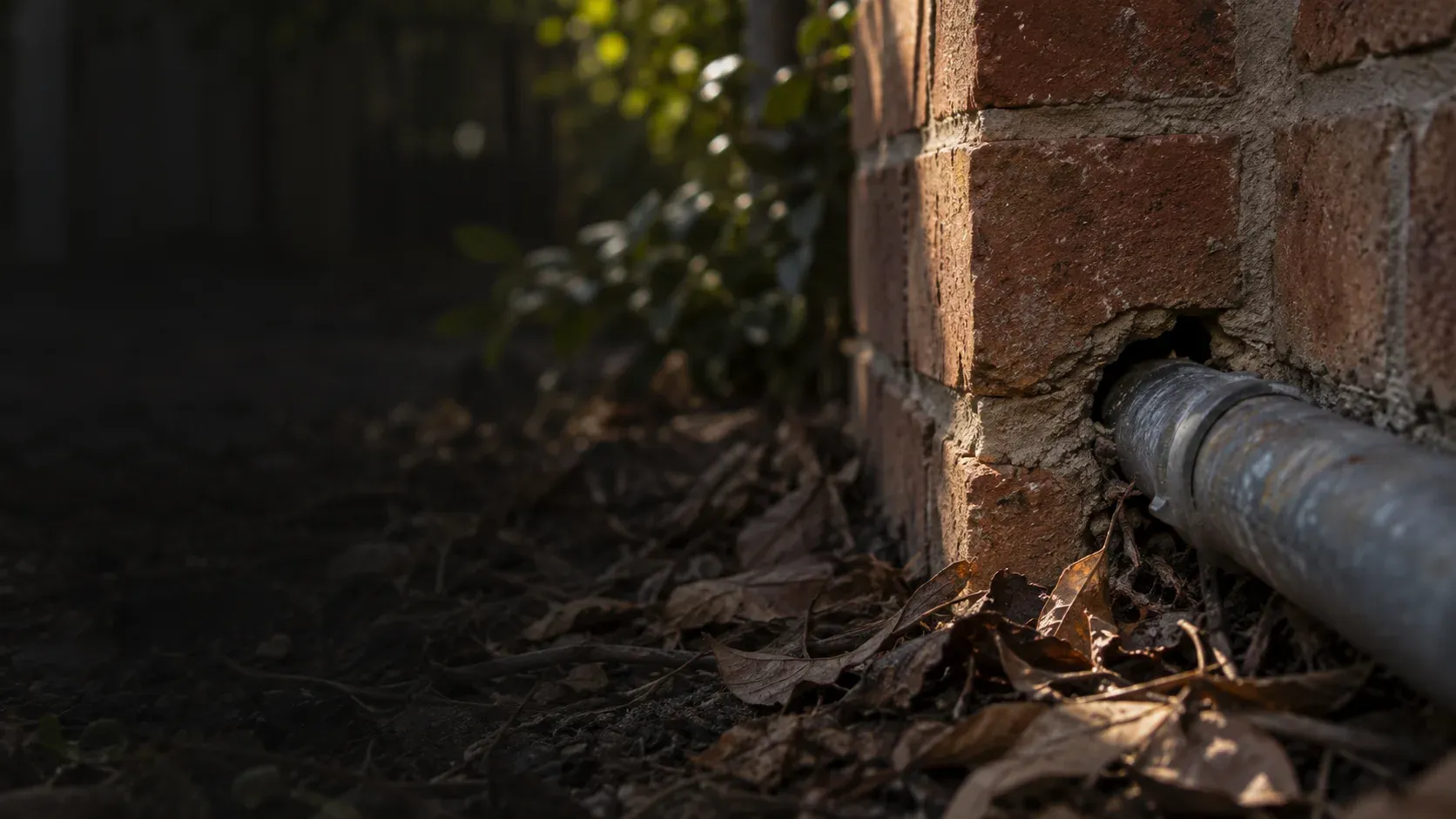
A gap around a pipe passing through exterior brickwork

02Our approach

How we treat rats and mice

Rats and mice settle where they find food, water and shelter. Roof rats climb and often nest in roof spaces, Norway rats burrow under sheds, slabs and garden beds, and house mice can squeeze through a gap of just 8 mm.

So baits or traps alone rarely solve the problem for long. We match the methods to the species and where they're active, keep baits in secured stations with children, pets and wildlife in mind, and find the gaps they're using so the way back in can be closed.

  • Targeted treatments

    Aimed at where they nest and travel.

  • Your home in mind

    Clear advice for families and pets.

  • Practical prevention

    Help keep rats and mice out.

Most rodent treatments combine more than one method. Which ones suit your property depends on the species, where they're nesting and how they're getting in.

  • Secured bait stations

    Bait goes inside lockable, tamper-resistant stations fixed in place along the walls, runways and roof spaces rodents use, so children, pets and wildlife can't reach it. Australia's pesticide regulator tightened the rules on the strongest rodent baits in 2026 to protect native wildlife, and we place baits to suit.

    Used forRats and mice in roof spaces, wall cavities, subfloors and around the building

  • Traps

    Snap traps set along runways catch rodents without poison, and let us remove them rather than leave them to die in a wall or roof. Glue traps are banned in Victoria, and we don't use them.

    Used forFood businesses, homes that prefer no bait, and rodents that won't take bait

  • Entry points

    We check the roofline, eaves, vents, gaps around pipes and cables, and the bottoms of doors for the ways rats and mice are getting in. A mouse needs a gap of only 8 mm. We'll show you what we find and how it can be sealed.

    Used forEvery treatment, especially when activity keeps coming back

  • Monitoring

    Checking stations and traps shows where rodents are feeding and whether activity is falling, so baits can be topped up, moved or taken away, and dead rodents found and removed.

    Used forEvery treatment, until activity stops

  • Follow-up visits

    For established infestations, a follow-up visit lets us check stations and traps, re-treat where needed and remove bait once the problem is over.

    Used forEstablished infestations, roof rats and larger properties

  • Hygiene and habitat advice

    We point out the food, water and shelter that keep rodents around, from pet food, bird seed and fallen fruit to compost, woodpiles and clutter, so changes at your property support the treatment.

    Used forEvery treatment, for homes and businesses

03Treatment process

Our rat and mouse treatment process

Know what to expect at every step, from finding how rats and mice are getting in to practical changes that help keep them out.

  1. Inspection

    We work out whether it's rats or mice, find where they're nesting and travelling, and look for how they're getting in, from gaps at the roofline to openings around pipes.

  2. Treatment

    We set secured bait stations or traps where rodents are active, using methods suited to the species and your property, and explain any precautions before we start.

  3. Follow-up and prevention

    You'll get practical advice on food, shelter and entry points, and we'll let you know if a follow-up visit is recommended to check activity and remove bait.

Start with a free quote.

Tell us what you're seeing and we'll recommend the next step.

Preparing for rat and mouse treatment

Good preparation helps us find where rodents are active and put stations and traps in the right places. What's needed depends on the methods we'll use, so we'll confirm the preparation for your booking before the visit.

  1. Note the signs and what you've tried

    Note where you've found droppings, gnawing or nests, and where and when you hear noises. Let us know about any baits or traps you've already put out, and the products used, so we can take them into account.

  2. Kitchen, pantry and food

    Move food into sealed containers, put away pet food and bird seed, and clear the floor of cupboards where you've seen signs so we can check the gaps behind them, under the sink and behind appliances.

  3. Roof, subfloor and outside access

    Make sure we can reach the manhole to the roof space, any subfloor access, the garage and shed, and the outside of the building. Clear stored items from around the manhole and unlock side gates.

  4. Pets and household members

    Tell us about babies, children, pets, anyone who's pregnant, and any backyard chickens, birds or other animals. We'll explain where stations and traps will go, how they're secured and which areas to keep clear.

  5. Stations and traps afterwards

    Don't move, open or remove bait stations or traps, and keep children and pets away from traps. We'll tell you where each one is and when it can come out.

Preparation and safety instructions depend on the products and methods used for your property. Always follow the instructions we give you for your booking.

What to expect after treatment

Results depend on the species, how established the rodents are and the methods used. We'll explain what to expect for your property before we leave.

  1. When you may notice a difference

    Activity often drops within one to three weeks. Rats can take several days to start feeding at a new station, and baits take days to work once they're eaten, so results aren't immediate.

  2. Why you may still hear or see activity

    Noises can carry on for a while as rodents move between their nest and the stations. New rodents can also arrive from neighbouring properties, gardens or drains while entry points stay open.

  3. Odours and dead rodents

    Occasionally a rodent dies in a wall or roof void where it can't be reached, causing an odour that fades over a week or two. Tell us if you notice one. If you find a dead rodent, wear gloves, seal it in a bag before putting it in the bin and wash your hands afterwards.

  4. How you can help

    Leave stations and traps where we've placed them. Keep food and pet food in sealed containers, clean up fallen fruit and spilt bird seed, keep bin lids closed, and cut back branches and creepers touching the house.

  5. When to contact us

    Get in touch if activity hasn't eased within the timeframe we discussed, if you find signs in new areas, if a station has been damaged or opened, or if you're unsure about any of the aftercare instructions.

04Homes & businesses

Rat and mouse treatment for homes and businesses

Rats and mice settle wherever they find food and shelter, from family homes to cafés and shopfronts. The treatment principles are the same, but access, timing and hygiene needs differ.

  • Homes

    Houses, townhouses, units and rentals, with treatment covering the roof space, kitchen, garage and anywhere else rodents are active, plus the outside of the building where they get in.

    Access
    We'll need to reach the rooms where you've seen signs, the roof space and any subfloor, and the outside of the house, including sheds, garages and side passages.
    Scheduling
    Book a time that suits you. Same-day service is available 7 days a week.
    Preparation
    Note the signs and clear the kitchen as described in preparing for treatment, with advice for children and pets.
    Units
    Rats and mice can move between units through shared roof spaces, walls and services. Let us know if neighbours or your owners corporation are dealing with rodents too, as treating one unit alone may not be enough.
  • Businesses

    Cafés and other food businesses, shops, offices and other commercial premises, with a plan that suits your operations, staff and customers.

    Scheduling
    Treatment can be planned around trading hours, such as before opening or after close, to limit disruption.
    Access
    Staff may need to clear storage areas and give access to stockrooms, kitchens, ceiling spaces, loading areas and bin enclosures.
    Hygiene
    Bait stations and traps are kept away from food, packaging and food-preparation surfaces, and traps can be used where bait isn't suitable. Sealed storage, cleaning routines and tidy bin areas matter too, because rodents stay where they find food.
    Food safety
    Food safety standards require food businesses to keep pests out and stop them sheltering on the premises, so it pays to act on the first droppings.

Local rat and mouse control in Melbourne

We treat rats and mice in homes and businesses across Melbourne's western suburbs, from Footscray, Williamstown and Altona out to Point Cook, Werribee, Caroline Springs and Melton. We also cover the wider Melbourne area.

Rodent activity often picks up as Melbourne's weather cools in autumn and winter, when rats and mice look for warm, dry shelter in roof spaces, wall cavities and garages. They can be active all year wherever food and shelter are easy to find.

Looking for local service? Our Caroline Springs pest control page covers the suburb and nearby Taylors Hill, Burnside and Hillside.

Babylon's owner inspecting a rodent bait station beside a residential garden

05Why choose Babylon

Local, licensed and ready to help.

You'll deal with a family-run Melbourne business, from your first call to the follow-up.

I cannot stand rats. Thought I'd try a local solution, and the Babylon team were nothing short of incredible! Fast response, generous price and I literally haven't had a problem since. Thank you!!
Sebastian HowardGoogle review
  • Family-run, with personal service on every job
  • Fully licensed and insured technicians
  • Same-day service available, 7 days a week
  • Free, upfront quotes with no hidden fees

06 Common questions

Rats and Mice Treatment FAQs

Activity often drops within one to three weeks. Rats are wary of new objects, so they can take several days to start feeding at a station, and baits take days to work once eaten. Established infestations may need a follow-up visit.

See what to expect after treatment for why some activity can continue and how to help the treatment work.

Look for droppings, gnawed food packaging, greasy smear marks along walls and shredded nesting material, and listen for scratching in the walls or roof at night. Mice tend to nibble the outside of grains and leave the core, while rats leave crumbs and larger pieces. Mice gnaw holes up to about 20 mm across, and rat holes are closer to 80 mm. Tell us what you've noticed and where, even if you haven't seen a rat or mouse.

Rats usually make lighter scampering, scratching and gnawing sounds, with high-pitched squeaks. Possums are heavier, so you're more likely to hear thumping or footsteps, along with hissing, growling or a throaty cough, especially around dusk and before dawn. Possums are protected wildlife and need a different approach, so see possum removal if that sounds more like your roof. Not sure? Tell us what you're hearing and when.

It depends on the size of the property, the species and how many areas need treating. A treatment for mice in one kitchen is usually quicker than one that covers the roof space, subfloor and outside of a house. We'll give you a time estimate when you book.

We'll confirm what's needed for your booking. It usually means noting where you've seen signs, putting food and pet food into sealed containers, clearing cupboard floors, and making sure we can get to the roof space, subfloor and outside of the building.

See preparing for rat and mouse treatment for the full checklist, including pets and existing baits.

Rodent baits are toxic, so we treat them with care. Bait goes inside lockable, tamper-resistant stations fixed in place, and traps go where children and pets can't reach them. Tell us about children, pets, backyard animals and anyone who's pregnant when you book. We'll show you where every station and trap is and explain which areas to keep clear.

The cost depends on the species, how established they are, the size and layout of the property, which areas need treating and whether follow-up visits are needed. Mice in one kitchen, for example, need a different treatment from rats nesting in the roof and burrowing in the garden.

Request a free quote with your suburb, the signs you've noticed and how long it's been happening. We'll recommend a treatment and give you an upfront price, with no hidden fees.

Baits and traps only deal with the rodents that find them. Rats are wary of new objects, so a trap or bait in the wrong spot can be ignored, and while food, shelter and a way in remain, new rodents keep arriving. Let us know what you've used and where, so we can take it into account. We find where they're nesting and how they're getting in, then recommend a treatment suited to your property.

Wear gloves and cover any cuts. Mop floors and wipe benchtops with a disinfectant or bleach solution, wash affected bedding and clothing in hot water, and throw out any food rodents may have touched. Wash your hands with soap afterwards. Ideally, anyone who's pregnant or has a weakened immune system shouldn't handle dead rodents.

Rats and mice can return if food, shelter and a way in remain available, or move in from neighbouring properties. Keeping food and pet food sealed, closing bin lids, clearing clutter and woodpiles, cutting back branches and creepers touching the house and sealing gaps can help reduce repeat activity. If you're still seeing signs after treatment, contact us to discuss the next step.

Yes. We help cafés, shops, offices and other businesses, with treatment planned around your trading hours, food preparation areas, staff and customers. See homes and businesses for how a commercial visit differs.

We treat roof rats, Norway rats and house mice in homes and businesses throughout Melbourne's west and north. Australia also has native rodents, such as rakali (water rats) and bush rats, which are protected wildlife. If we think a native animal is involved, we'll tell you before any treatment.

Can't see your question? Ask us, or call for a quick answer.

Get your free quote today.

Tell us what you're seeing or hearing and how long it's been happening. We'll recommend the next step for your home or business in Melbourne's west and north.

Call nowFree quote