
Skip to content

Cockroach Treatment in Melbourne

Cockroaches hide. We find them.

Professional cockroach control for Melbourne homes and businesses. We find where German, American and other common cockroaches are hiding and treat them there, with clear advice to help keep them out.

01The problem

Signs of a cockroach infestation

Cockroaches spend the day tucked into warm, dark gaps behind appliances, under sinks and inside cupboards, then come out at night to feed. You'll often notice what they leave behind before you see the cockroaches themselves.

A single large cockroach may have wandered in from the garden or a drain. Regular sightings, or cockroaches out in daylight, can point to a larger infestation. Getting on top of the problem starts with knowing which cockroaches you're dealing with and where they're sheltering.

What to look for

  • Droppings like ground pepper or coffee grounds in drawers, cupboards and corners
  • Dark smear marks along edges, hinges and gaps where cockroaches travel
  • Shed skins and empty, purse-shaped egg cases
  • A musty smell in dark, damp spots, usually with heavier infestations
  • Cockroaches out in daylight, or in bedrooms and living areas away from the kitchen
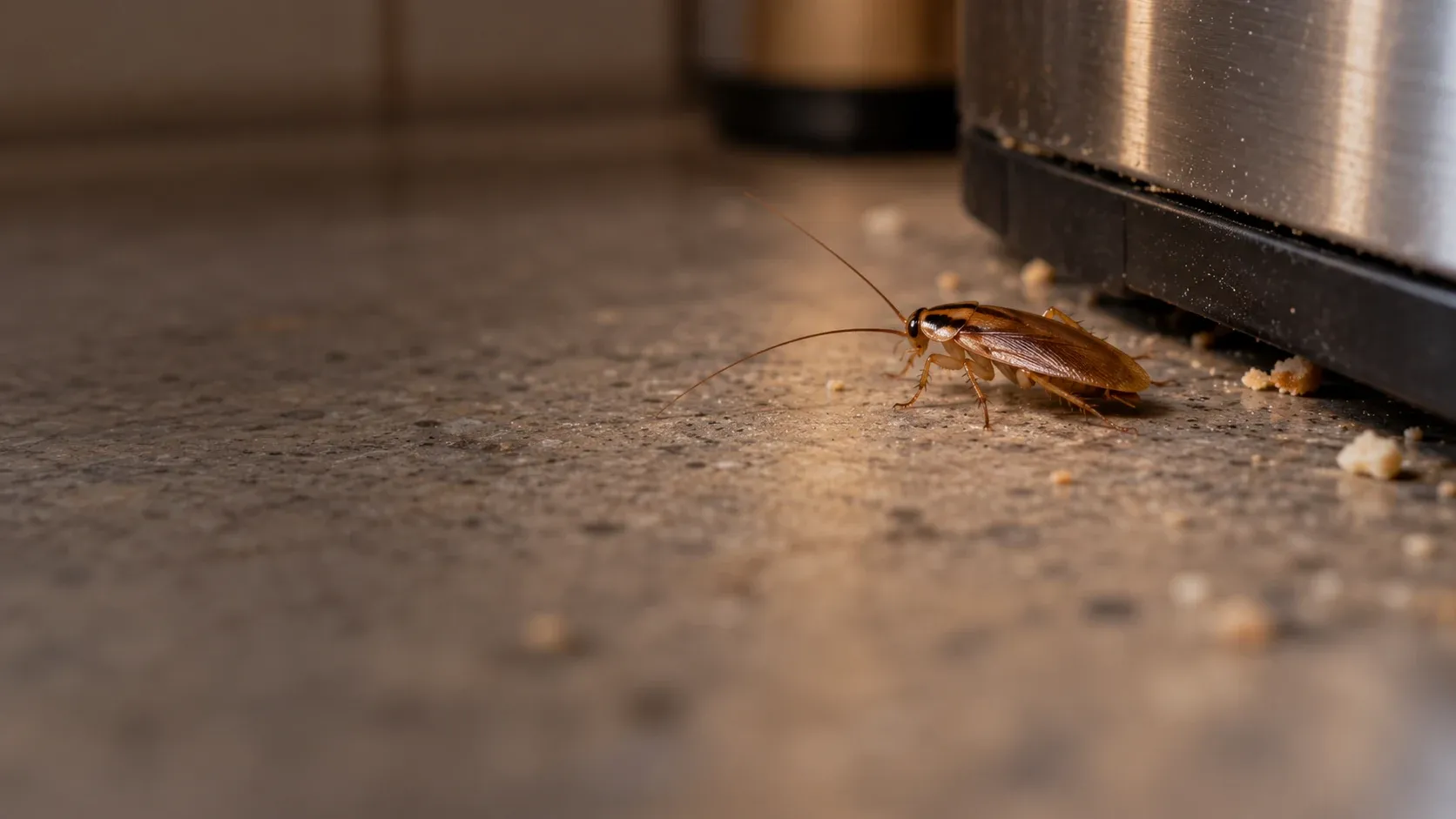
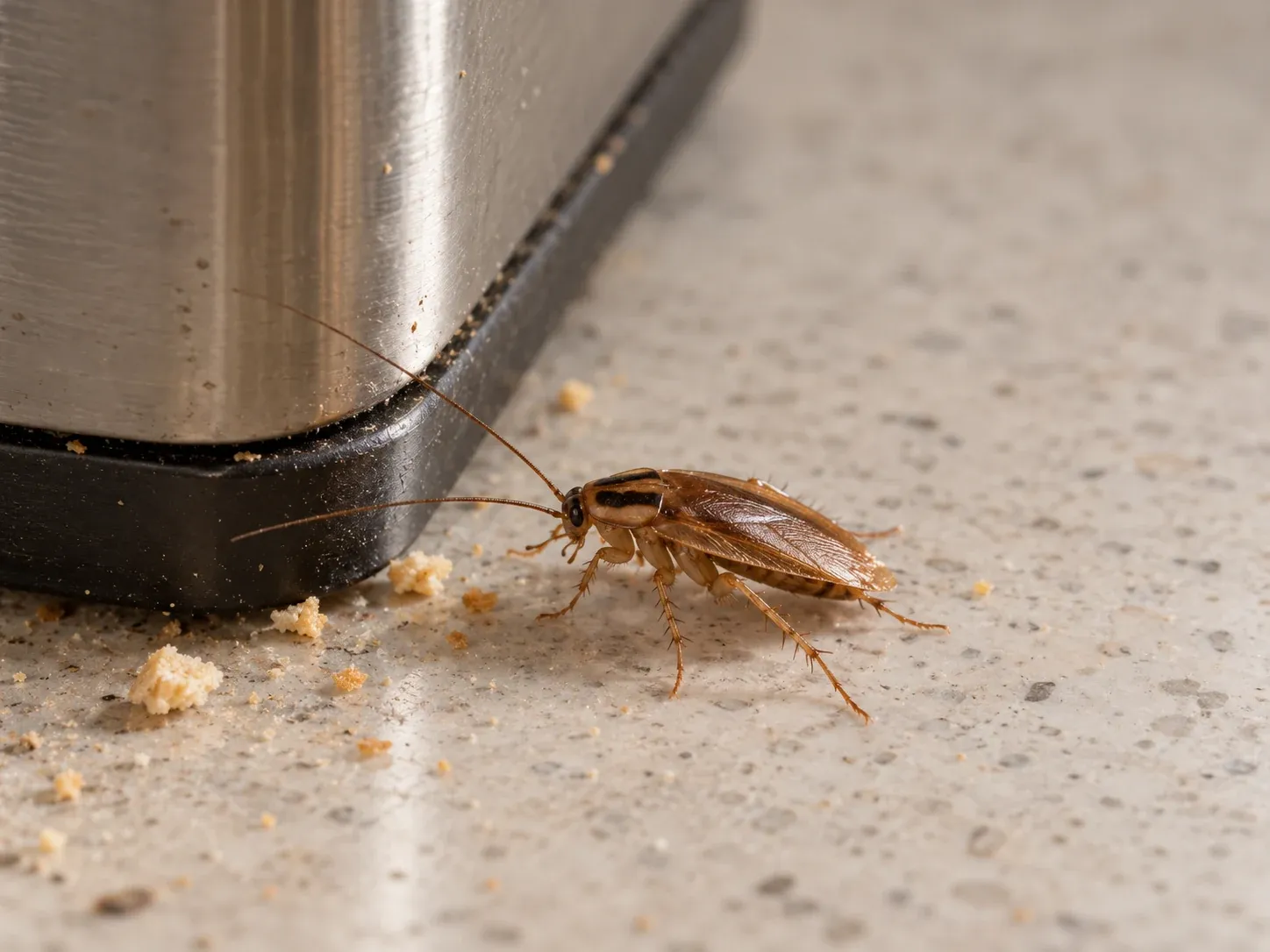
A German cockroach beside bread crumbs at the base of a kitchen toaster
Find where they hide.
Stop the problem.

Common cockroach species in Melbourne

German, American, Australian and smokybrown cockroaches are among the most common pest species around Melbourne homes and businesses. Each one shelters and breeds differently, which changes where we look and how we treat.

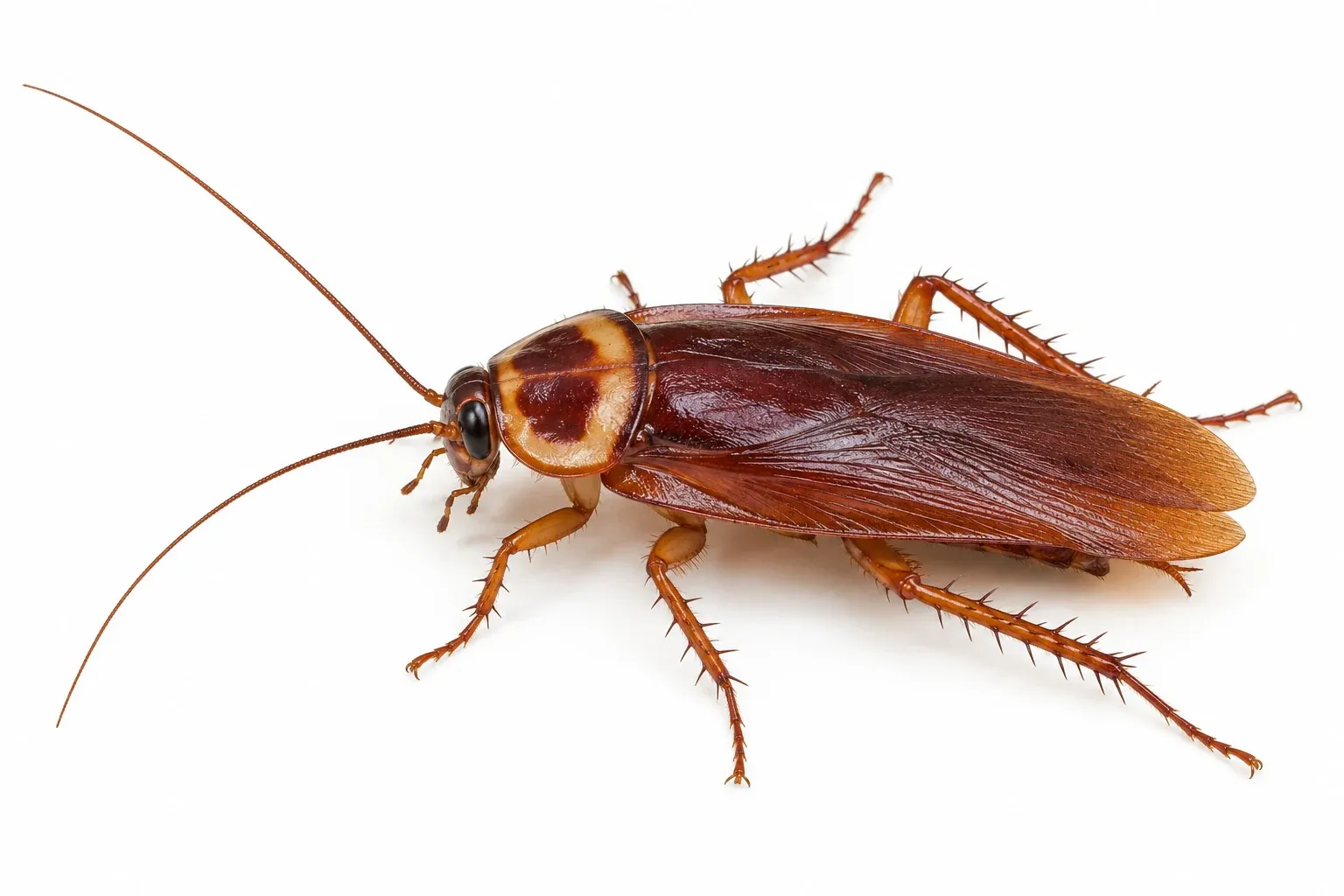
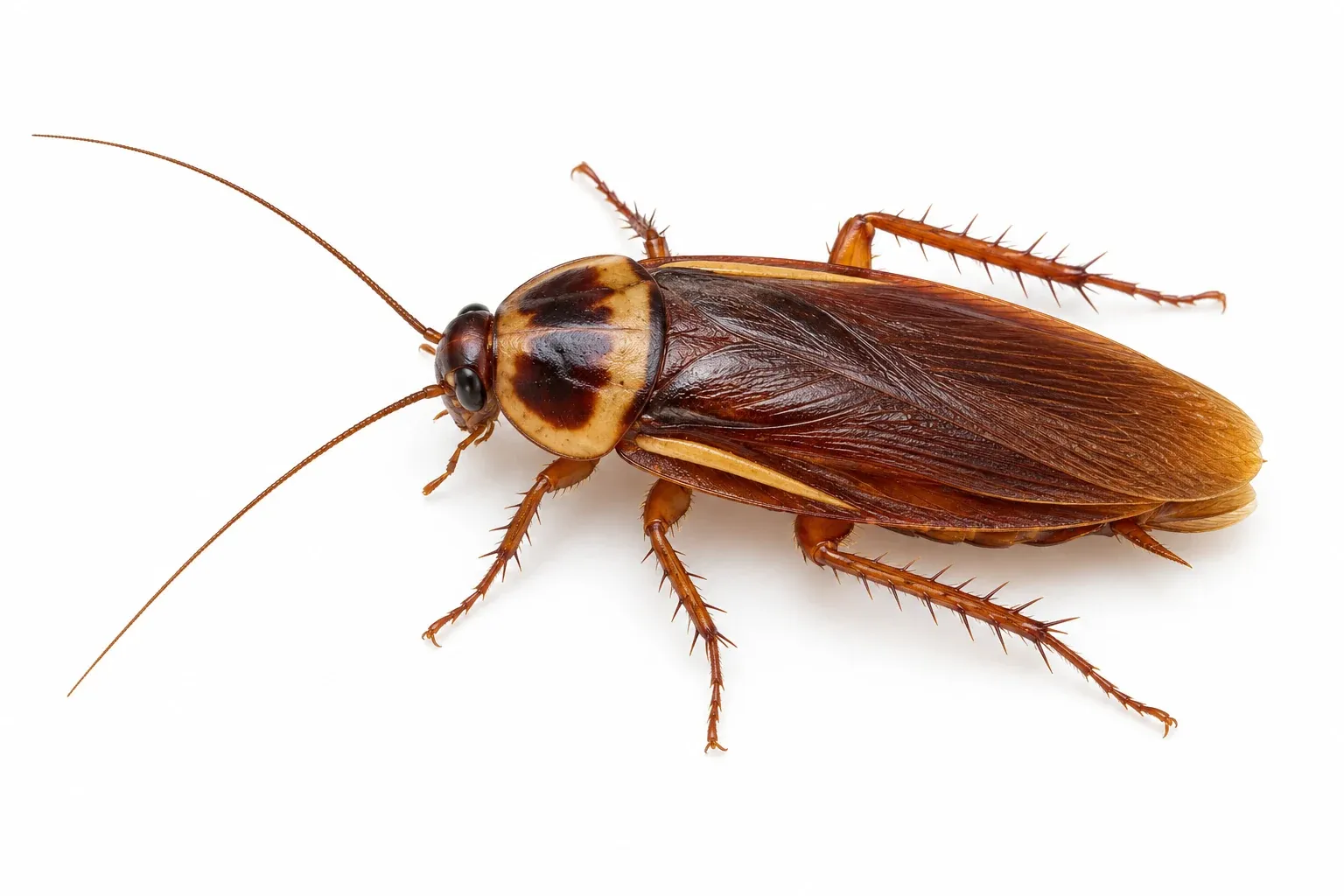
  • Reddish-brown American cockroach with a pale border around the shield behind its head

    American Cockroaches

    The largest common species, often living in drains and voids.

    Look for
    Large, about 35–40 mm long and reddish-brown, with a pale yellow band around the shield behind the head. Adults can fly short distances in warm weather.
    Found in
    Warm, damp, dark places such as drains, sewers, grease traps and roof, wall and subfloor voids. They wander indoors from there.
    Treatment focus
    Treatment targets the drains, voids and entry points they live in and travel through, not just the rooms where they're seen.
  • Australian cockroach with yellow markings behind its head and along its wing edges

    Australian Cockroaches

    Mostly outdoors, wandering inside in warmer weather.

    Look for
    About 35 mm long and dark brown, with yellow markings on the shield behind the head and a pale yellow stripe along the front edge of each wing.
    Found in
    Garden beds, mulch, leaf litter, shrubs and woodpiles. They come inside through gaps around doors, windows and pipes.
    Treatment focus
    Treatment focuses on the outside of the building, such as foundations, garden edges, woodpiles and entry points, with advice on mulch and gaps.
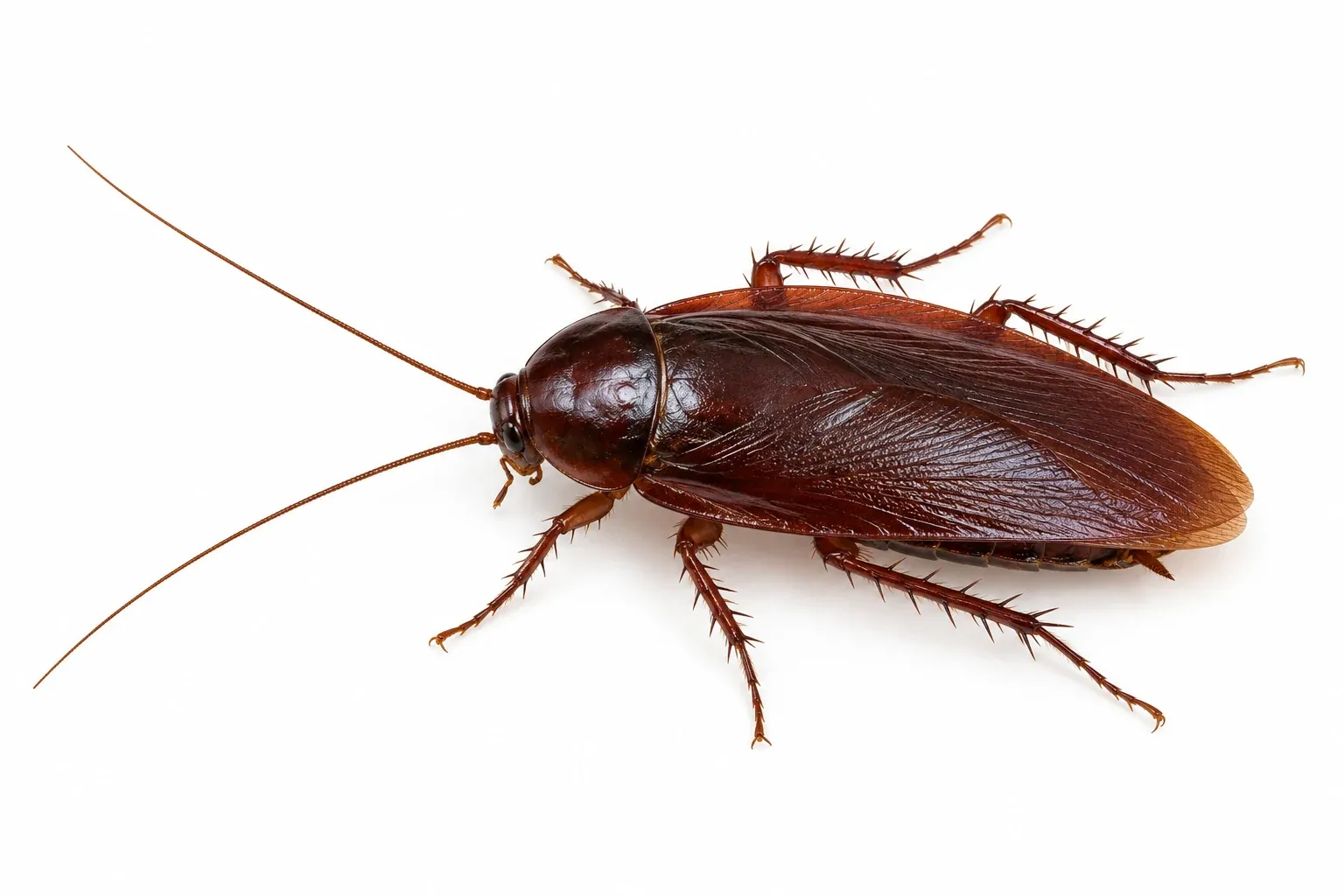
  • Glossy dark brown smokybrown cockroach with long wings covering its body

    Smokybrown Cockroaches

    Strong fliers that shelter in damp, dark places.

    Look for
    About 30 mm long and a uniform shiny dark brown to black, with wings covering the whole body. They're drawn to lights at night.
    Found in
    Damp, poorly ventilated areas such as sheds, subfloors, mulch, drains and grease traps.
    Treatment focus
    Treatment targets outdoor and subfloor hiding places, with advice on moisture, ventilation and lights near doors.

Are cockroaches dangerous?

Cockroaches rarely harm people directly, but they're more than a nuisance. They move between drains, bins and kitchens, and an infestation can grow quickly, so it's worth dealing with promptly.

  • Food and surface contamination

    Cockroaches feed on almost anything and travel through drains, grease traps and rubbish. They can carry bacteria such as Salmonella on their bodies and in their droppings, contaminating food, benchtops, dishes and utensils.

  • Allergens

    Their droppings, saliva, shed skins and remains contain proteins that can cause allergic reactions in some people. These allergens can build up in household dust, particularly around kitchens.

  • Asthma

    Cockroach allergens can trigger asthma symptoms in some people, particularly children. If you're worried about symptoms at home, talk to your GP.

  • Homes and food businesses

    A few sightings can become an established infestation within months. Australian food safety standards also require food businesses to keep pests out and stop them sheltering on the premises.

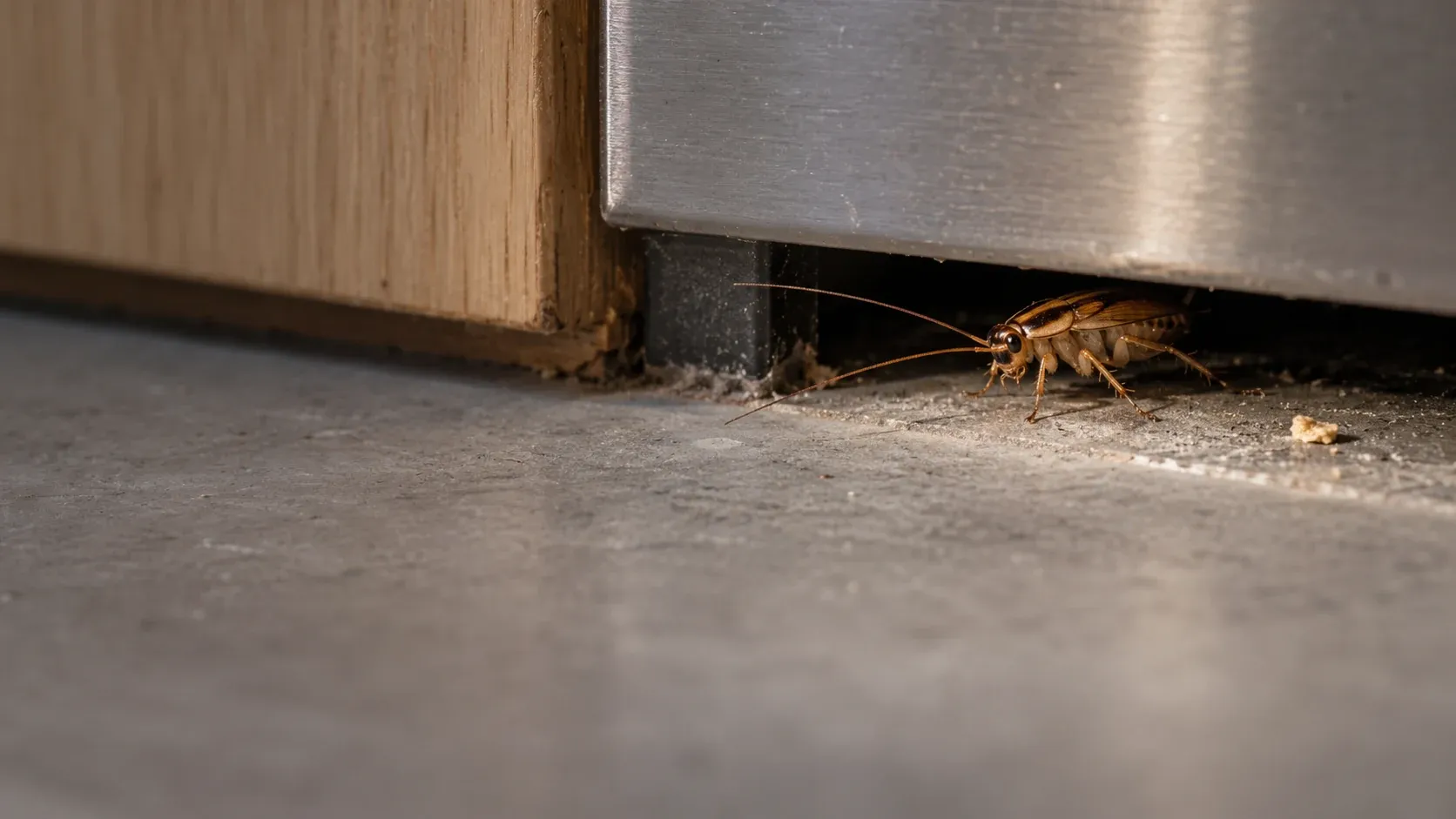
A German cockroach emerging from the gap beneath a dishwasher beside a timber kickboard

02Our approach

How we treat cockroach infestations

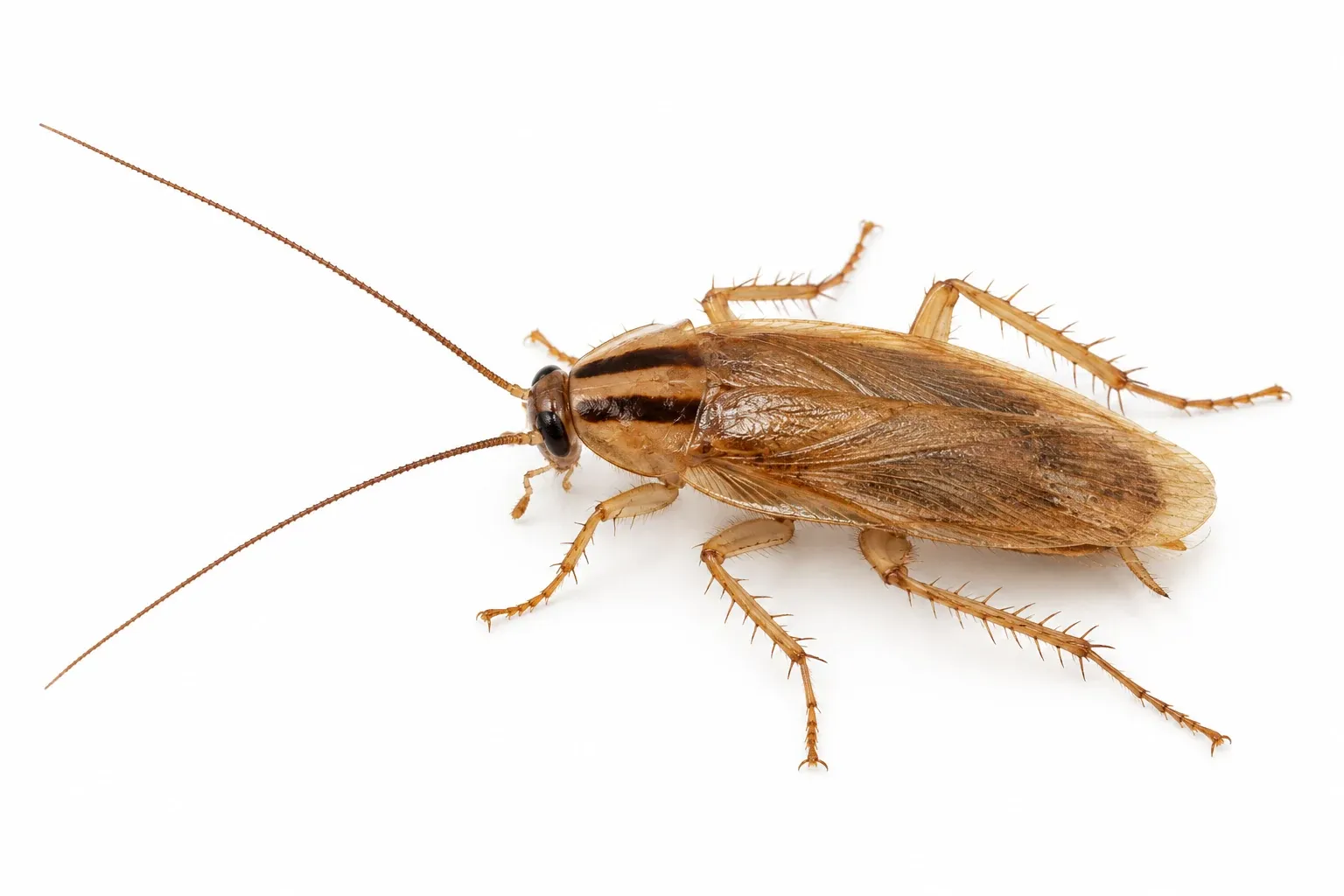
Cockroaches settle where they find food, water and somewhere to hide. German cockroaches live indoors and build up quickly around kitchens and appliances, while larger species often live in drains, subfloors and roof spaces and wander inside.

So no single treatment suits every cockroach problem. We match the methods to the species, the size of the infestation and your property, and focus on the gaps and voids where cockroaches shelter rather than open surfaces.

  • Targeted treatments

    Aimed at where they hide.

  • Your home in mind

    Clear advice for families and pets.

  • Practical prevention

    Help keep cockroaches out.

Most cockroach treatments combine more than one method. Which ones suit your property depends on the species, how established they are and where they're sheltering.

  • Gel baits

    Small placements of gel bait go into the cracks, hinges and gaps where cockroaches shelter, rather than across open surfaces. Cockroaches feed on it and return to their hiding places, where the bait can reach others too.

    Used forGerman cockroaches in kitchens, bathrooms and around appliances

  • Targeted residual treatments

    A residual insecticide applied to selected cracks, crevices, voids and entry points keeps working after it dries, so cockroaches moving through those areas pick it up. Food-preparation surfaces aren't treated.

    Used forLarger species around drains, subfloors, wall voids and entry points

  • Hidden harbourage

    Cockroaches often shelter where sprays can't reach: inside wall and roof voids, behind kickboards and in the warm motor housings of fridges and dishwashers. These areas can be treated with a suitable dust or bait instead.

    Used forEstablished infestations and cockroaches living in voids

  • Monitoring

    Sticky monitoring traps in likely hiding spots show where activity is concentrated and whether numbers are falling, so any follow-up targets the right areas.

    Used forChecking progress, especially with German cockroaches and in food businesses

  • Follow-up visits

    For established infestations, a follow-up visit lets us check activity, re-treat the areas that need it and reach young cockroaches that hatched after the first treatment.

    Used forEstablished infestations, especially German cockroaches

  • Hygiene and proofing advice

    We point out the food, water and gaps that keep cockroaches around, from dripping taps and pet bowls to gaps around pipes, so changes at your property support the treatment.

    Used forEvery treatment, for homes and businesses

03Treatment process

Our cockroach treatment process

Know what to expect at every step, from finding where cockroaches are hiding to practical changes that help keep them away.

  1. Inspection

    We identify the species, find where cockroaches are hiding and feeding, and look for what's drawing them in, from leaks and food sources to gaps around pipes.

  2. Treatment

    We treat the hiding places and entry points that need attention, using methods suited to the species and your property, and explain any precautions before we start.

  3. Follow-up and prevention

    You'll get practical advice on food, water and gaps, and we'll let you know if a follow-up visit is recommended to finish the job.

Start with a free quote.

Tell us what you're seeing and we'll recommend the next step.

Preparing for cockroach treatment

Good preparation helps the treatment reach the places cockroaches hide. What's needed depends on the methods we'll use, so we'll confirm the preparation for your booking before the visit.

  1. Kitchen cupboards and food

    If we ask you to, empty the cupboards, pantry shelves and drawers that need treating. Keep food, utensils, dishes and crockery in sealed containers or another room until we tell you they can go back.

  2. Benchtops and food-preparation areas

    Clear benchtops of food, small appliances and dish racks so we can reach the gaps along splashbacks, under benches and behind appliances. Food-preparation surfaces themselves aren't treated.

  3. Hiding places and appliances

    Make sure we can get under the sink and to the gaps around the fridge, dishwasher, oven and microwave, along with the laundry, bathrooms and any roof or subfloor access. Let us know about built-in appliances or areas that are hard to reach.

  4. Pets and household members

    Tell us about babies, children, pets, anyone who's pregnant or has asthma or allergies, and any fish tanks or birds. We'll explain whether anyone needs to stay out of particular rooms, and for how long.

  5. Using treated areas afterwards

    Keep people and pets out of treated areas for the time we advise, and don't wipe, mop or spray over bait placements or treated edges. We'll tell you when you can restock cupboards and use each area again.

Preparation and re-entry instructions depend on the products and methods used for your property. Always follow the instructions we give you for your booking.

What to expect after treatment

Results depend on the species, how established the infestation is and the methods used. We'll explain what to expect for your property before we leave.

  1. When you may notice a difference

    Activity often drops within the first week or two as cockroaches feed on bait and cross treated areas. Larger or long-standing infestations can take longer to clear.

  2. Why you may still see cockroaches

    Seeing some cockroaches for a while can be normal. Affected cockroaches often come out of hiding, sometimes during the day, and young ones can hatch from egg cases that were protected during treatment. Others can arrive from neighbouring units, drains or the garden.

  3. Why German cockroaches may need another visit

    German cockroaches can produce several generations a year, and females carry their egg cases until they're about to hatch. A follow-up visit reaches the next generation before it has a chance to breed.

  4. How you can help

    Leave bait placements and treated areas undisturbed, and avoid supermarket sprays, which can drive cockroaches away from baits. Keep food sealed, wipe up crumbs and spills, empty bins regularly, fix dripping taps and don't leave pet food out overnight.

  5. When to contact us

    Get in touch if activity hasn't eased within the timeframe we discussed, if cockroaches turn up in new rooms, or if you're unsure about any of the aftercare instructions.

04Homes & businesses

Cockroach treatment for homes and businesses

Cockroaches turn up wherever they find food, water and warmth, from family kitchens to busy cafés. The treatment principles are the same, but access, timing and hygiene needs differ.

  • Homes

    Houses, townhouses, units and rentals, with treatment focused on the kitchen, bathrooms, laundry and anywhere else cockroaches are sheltering.

    Access
    We'll need to reach the kitchen, bathrooms, laundry and appliances, plus roof or subfloor access if larger species are involved.
    Scheduling
    Book a time that suits you. Same-day service is available 7 days a week.
    Preparation
    Clear the kitchen and cupboards as described in preparing for treatment, with advice for children and pets.
    Units
    Cockroaches can travel between units through shared walls, pipes and services. Let us know if neighbours are seeing them too, as treating one unit alone may not be enough.
  • Businesses

    Cafés and other food businesses, shops, offices and other commercial premises, with a plan that suits your operations, staff and customers.

    Scheduling
    Treatment can be planned around trading hours, such as before opening or after close, to limit disruption.
    Access
    Staff may need to clear storage areas and give access to under-bench fridges, cooking equipment, cool rooms, drains and grease traps.
    Hygiene
    Food-handling surfaces aren't treated, and baits are placed away from food and packaging. Cleaning routines and bin areas matter too, because hygiene affects how well treatment works.
    Food safety
    Food safety standards require food businesses to keep pests out and stop them sheltering on the premises, so it pays to act on the first signs.

Local cockroach control in Melbourne

We treat cockroaches in homes and businesses across Melbourne's western suburbs, from Footscray, Williamstown and Altona out to Point Cook, Werribee, Caroline Springs and Melton. We also cover the wider Melbourne area.

Cockroach activity tends to pick up in Melbourne's warmer months, when American and smokybrown cockroaches are more likely to wander indoors from drains, gardens and subfloors. German cockroaches can stay active all year in heated homes and businesses.

Looking for local service? Our Caroline Springs pest control page covers the suburb and nearby Taylors Hill, Burnside and Hillside.

Babylon's owner inspecting a rodent bait station beside a residential garden

05Why choose Babylon

Local, licensed and ready to help.

You'll deal with a family-run Melbourne business, from your first call to the follow-up.

Great service, arrived on time, was very honest about my problem and fairly priced. Highly recommended.
James SoussalisGoogle review
  • Family-run, with personal service on every job
  • Fully licensed and insured technicians
  • Same-day service available, 7 days a week
  • Free, upfront quotes with no hidden fees

06 Common questions

Cockroach Treatment FAQs

Activity often drops within the first week or two as cockroaches feed on bait and cross treated areas. Established infestations, especially German cockroaches, can take several weeks and a follow-up visit. You may see more cockroaches for a short time as they come out of hiding.

See what to expect after treatment for why some activity can continue and how to help the treatment work.
Often, yes. German cockroaches breed quickly, and their egg cases protect the young inside, so new cockroaches can hatch after the first visit. A follow-up lets us check activity, re-treat where needed and reach the next generation before it breeds. We'll tell you whether a follow-up is recommended for your property.

It depends on the size of the property, the species and how many areas need treating. A treatment focused on a house or unit kitchen is usually quicker than one that includes subfloors, roof voids or commercial kitchen equipment. We'll give you a time estimate when you book.

We'll confirm what's needed for your booking. It usually means clearing benchtops, emptying the cupboards and pantry shelves that need treating, storing food and utensils in sealed containers, and making sure we can get under the sink and behind appliances.

See preparing for cockroach treatment for the full checklist, including pets and re-entry.

We use family-friendly, low-toxicity products applied by licensed technicians, and baits go into cracks and gaps rather than across open surfaces. Tell us about children, pets, anyone with asthma or allergies, and any fish tanks when you book. We'll explain how to prepare, which areas to keep clear and when you can use treated spaces again.

The cost depends on the species, how established the infestation is, the size and layout of the property, which areas need treating and whether follow-up visits are needed. A small German cockroach problem in one kitchen, for example, needs a different treatment from larger cockroaches coming in from a subfloor.

Request a free quote with your suburb, where you're seeing cockroaches and how long you've noticed them. We'll recommend a treatment and give you an upfront price, with no hidden fees.

Not necessarily. A single large cockroach may have wandered in from the garden or a drain. Most cockroaches hide during the day, though, so look for droppings, dark smear marks, shed skins or empty egg cases. Cockroaches out in daylight can point to a larger infestation. Tell us what you've noticed and we'll help you work out the next step.

Sprays mostly reach the cockroaches they touch. Others stay sheltered in cracks, wall voids and behind appliances, along with egg cases the spray can't get into, and activity builds again while food, water and hiding places remain. Some sprays can also drive cockroaches away from baits, so let us know what you've used. We find where the cockroaches are sheltering and what's drawing them in, then recommend a treatment suited to the species.

Cockroaches can return if food, water and shelter remain available, or arrive again in boxes, deliveries or second-hand appliances. Keeping food in sealed containers, emptying bins regularly, fixing leaking taps and pipes, and sealing cracks and gaps can help reduce repeat activity. If you're still seeing cockroaches after treatment, contact us to discuss the next step.

Yes. We help cafés, shops, offices and other businesses, with treatment planned around your trading hours, food preparation areas, staff and customers. See homes and businesses for how a commercial visit differs.

We assess cockroach activity in homes and businesses throughout Melbourne's west and north. Common cockroaches around homes include German, American, Australian and smokybrown cockroaches, along with oriental and brownbanded cockroaches. We identify the cockroaches and recommend treatment for your property.

Can't see your question? Ask us, or call for a quick answer.

Get your free quote today.

Tell us where you're seeing cockroaches and how long it's been happening. We'll recommend the next step for your home or business in Melbourne's west and north.

Call nowFree quote